Request A Free Estimate

Sunergy Solutions logo with a sun, solar panel graphic, and the tagline Clean Alternative Energy below the company name.

5.0 Rating

Should You DIY Your Gutter Installation? The Ultimate How-To


Deciding to Replace: Key Signs and Considerations

Home gutter replacement is a crucial step in protecting your home from water damage. Properly functioning gutters channel rainwater away from your roof and foundation, preventing costly issues like basement flooding, soil erosion, and damage to your siding and landscaping.

Knowing when to replace your gutters is key to preventing expensive damage. Here are the tell-tale signs that your gutters are failing:

  • Visible Damage: Look for cracks, holes, or rust spots. Even small imperfections can lead to leaks that damage your fascia, siding, and foundation. Peeling paint near the roofline is also a red flag.
  • Sagging or Pulling Away: If gutters are no longer firmly attached to the house, they can’t drain water effectively. This is often caused by the weight of debris, ice, or failing fasteners, leading to pooled water and corrosion.
  • Water Pooling & Foundation Issues: Water pooling around your foundation or leaks in your basement are critical signs your gutters aren’t working. As Glenda Taylor notes for BobVila.com, uncontrolled runoff can create ditches, kill vegetation, and lead to severe structural damage.
  • Frequent Repairs: Constantly patching holes or reattaching sections? The cost and effort of frequent repairs may mean a full home gutter replacement is the more cost-effective solution. We offer Gutter Repair Service for minor issues, but sometimes a fresh start is best.
  • Age: Most aluminum, steel, or vinyl gutters last about 20 years, while copper can last 50 or more. If your gutters are nearing the end of their expected lifespan, proactive replacement can save you from sudden failure and water damage.

This guide will walk you through replacing your gutters yourself. I’m Robert Raffa, CEO and Founder of Sunergy Solutions LLC. My team and I specialize in high-performance solar systems, and we understand the critical role home gutter replacement plays in property protection. Our goal is to help homeowners make smart, sustainable choices.

Infographic summarizing the benefits of a properly functioning home gutter system, including foundation protection, prevention of water damage to siding and landscaping, and extended roof lifespan - home gutter replacement infographic

Learn more about home gutter replacement:

Professional Home Gutter Replacement vs. DIY

Once you decide a home gutter replacement is necessary, you must choose: DIY or hire a professional? Your decision will likely depend on your budget, skill level, and comfort with heights.

  • Cost Savings: A DIY project eliminates labor costs, which typically range from $5 to $10 per linear foot. For an average home, this can save you $1,000 to $2,000.
  • Skill Level & Safety: Gutter installation requires precise measurements, proper sloping, and working safely on a ladder. As BobVila.com notes, “Replacing gutters is not a beginner-level project.” Improper installation can cause more damage, and falls are a leading cause of home improvement injuries. Professionals have the training and equipment to do the job safely.
  • Warranties & Time: Professionals usually offer warranties on materials and labor, providing peace of mind that a DIY job lacks. A pro can often finish in a day or two, while a DIY project may take several days. If you’re short on time or want the security of a warranty, hiring a professional is the better choice. Just as we ensure quality in our Professional Roof Repair services, we bring the same dedication to your gutters. For more on the advantages of hiring a pro, BobVila.com offers further insights.

Planning Your Project: Tools, Materials, and Measurements

Thorough planning is essential for a successful DIY home gutter replacement. This stage involves gathering supplies, choosing materials, and taking precise measurements to save headaches later.
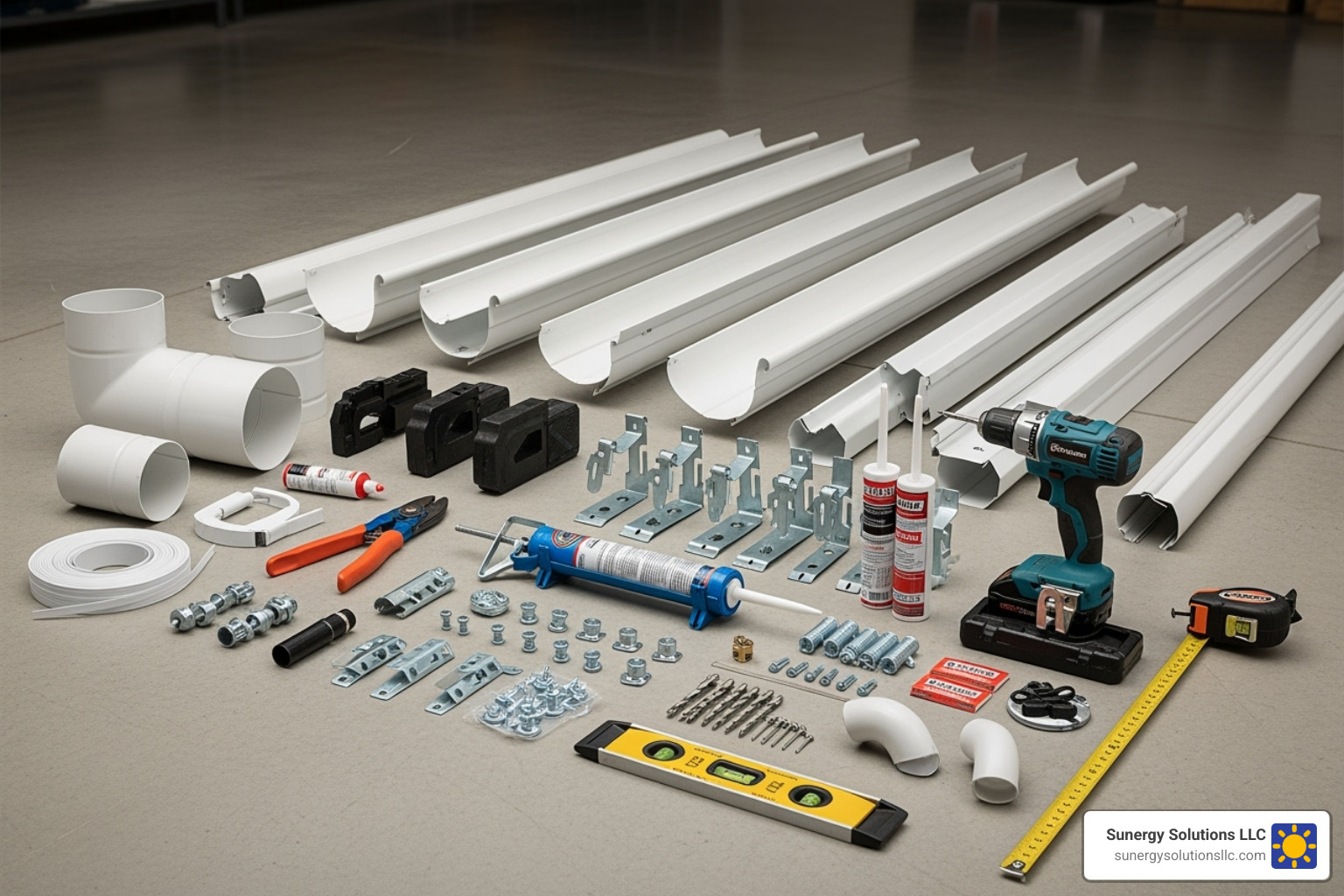
all necessary tools and materials for gutter installation laid out neatly in a garage - home gutter replacement

First, inspect your home’s fascia board and soffit (the boards behind and beneath the gutters). If they show signs of rot or damage, they can’t support new gutters. Complete any repairs—replacing wood, filling holes, or reinforcing spots—before installation. Prime and paint any bare wood to protect it from moisture.

Next, plan your downspout placement. Strategically locate downspouts to channel water far from your foundation, walkways, and landscaping. For gutter runs over 40 feet, you may need multiple downspouts to handle heavy rainfall efficiently.

Essential Tools for the Job

Having the right tools is critical. Safety gear is non-negotiable: work gloves, safety glasses, and sturdy work boots.

Your toolkit should include:

  • Cutting: Hacksaw and Aviation snips.
  • Fastening: Drill/driver with various bits, a socket set, and a Pop rivet gun.
  • Layout: Tape measure, a level, and a Chalk line for marking slopes.
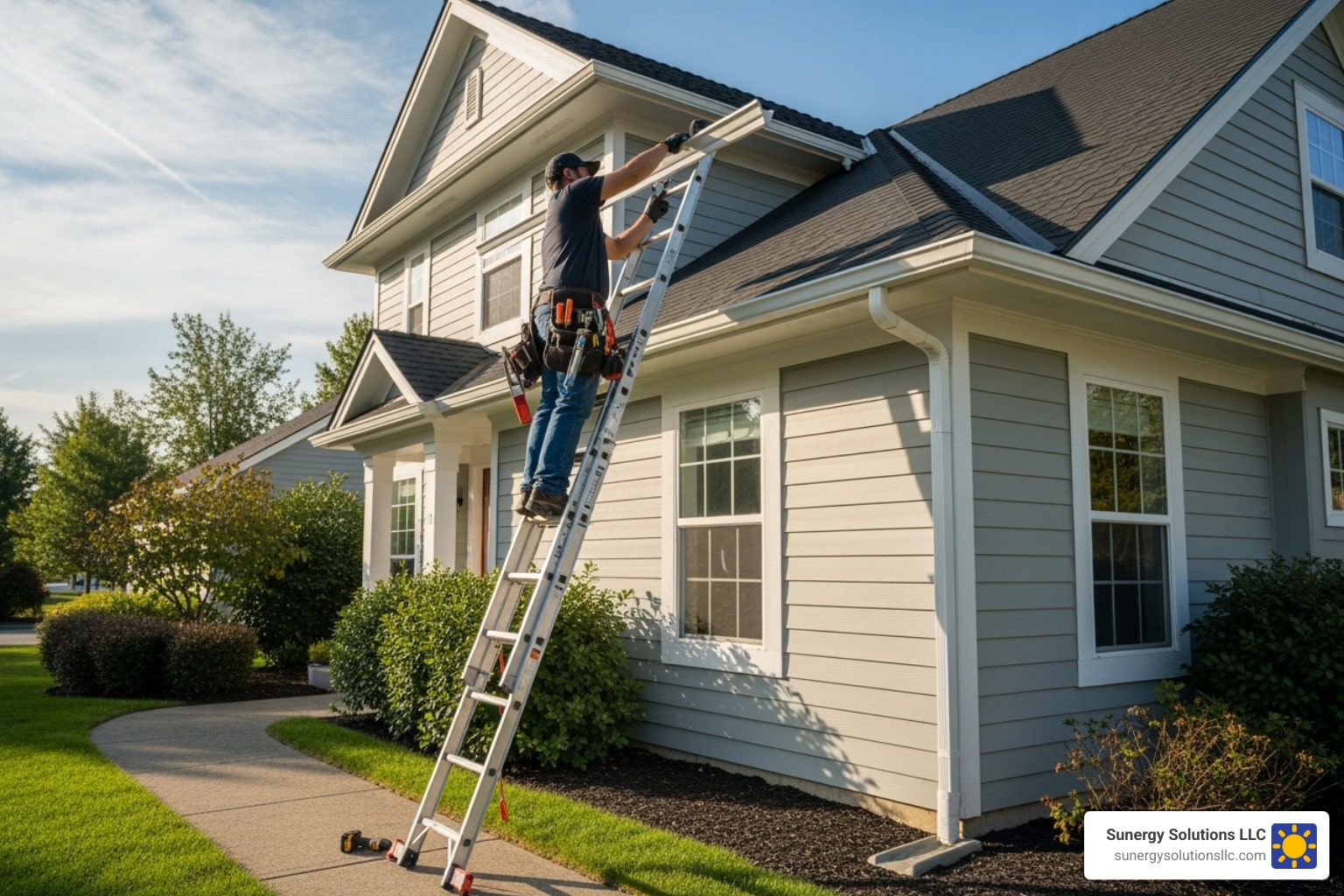
  • Access: A sturdy Extension ladder. Ladder safety is paramount—always use it on stable ground and follow all manufacturer instructions.

Choosing Your Gutter Materials

The material you choose impacts cost, durability, and appearance. Here’s a comparison of popular options:

Material Pros Cons Average Cost Per Foot Lifespan
Aluminum Lightweight, rust-resistant, affordable, various colors, low maintenance. Can dent easily, some fading over time. $6 to $12 per foot 20 years
Vinyl Most budget-friendly, easy to install (DIY-friendly), lightweight, won’t rust or corrode. Less durable, can crack in extreme temperatures, limited color options, shorter lifespan. $3 to $6 per foot 10-15 years
Steel Strong, durable, weather-resistant, good for harsh climates. Can rust if protective coating is scratched, heavier, more expensive than aluminum/vinyl. $8 to $12 per foot 20-30 years
Copper Extremely durable, beautiful aesthetic (patinas over time), corrosion-resistant, no paint needed. Very expensive, requires specialized installation, can be stolen for scrap value. $25 to $40 per foot 50-100 years

You’ll also choose a gutter style. K-style gutters have a high capacity and a decorative profile suited for modern homes. Half-round gutters offer a classic look, often used on historic homes.

Finally, decide between seamless vs. sectional gutters. Sectional gutters come in pre-cut lengths you join together. Seamless gutters are custom-made on-site, resulting in fewer seams and potential leak points. While more expensive and typically requiring professional installation, their durability makes them a wise investment.

How to Measure for Your Home Gutter Replacement

Accurate measurements are the bedrock of a successful project. Remember the mantra: “measure twice, cut once.”

  1. Measure Fascia Length: Use a tape measure to find the total linear footage of the fascia board where gutters will be installed. Add up the measurements of each individual section.
  2. Account for Components: Count the inside and outside corners you’ll need. Measure the downspout length from the gutter line to the ground, factoring in elbows and extensions. Plan for one downspout for every 20-30 feet of gutter.
  3. Add Overage (10% Rule): Purchase about 10% more material than your calculated total. This buffer covers mistakes or unexpected issues, saving you a mid-project trip to the hardware store.

Step-by-Step Guide to DIY Home Gutter Replacement

This is where your planning pays off. For safety, work with a partner who can steady the ladder, hand you tools, and help manage long gutter sections.
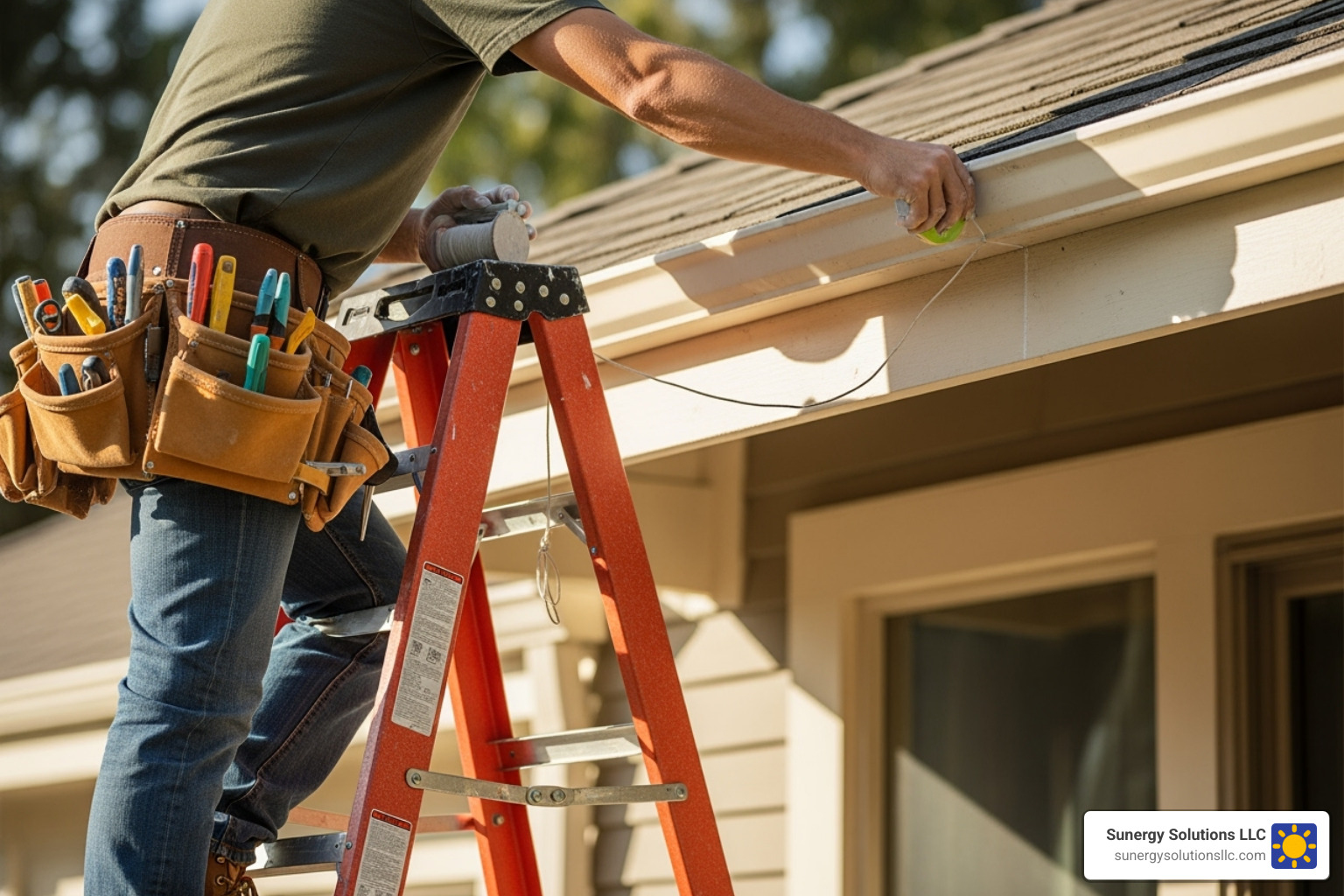
person safely on a ladder marking a chalk line on a fascia board - home gutter replacement

Step 1: Remove Old Gutters and Prepare the Fascia

  1. Careful Disassembly: Start by removing the downspouts, then detach the old gutter sections from the fascia board. Work methodically to avoid damaging the fascia.
  2. Inspect for Rot: Once gutters are down, thoroughly inspect the fascia board for rot, water damage, or insect infestation. This old house blog highlights the importance of checking for rot.
  3. Make Wood Repairs: Repair or replace any damaged sections of fascia and soffit. Use wood filler for small holes or replace entire sections for extensive rot.
  4. Prime and Paint: Prime and paint any exposed or repaired wood with exterior-grade paint to protect it from moisture.

Step 2: Mark the Slope and Layout Lines

Proper slope is vital for drainage. Gutters must pitch toward the downspouts so water flows out.

  1. Gutter Slope: The ideal slope is 1/4 to 1/2 inch for every 10 feet of gutter. For long runs, you can pitch from the middle toward downspouts at each end.
  2. Mark High and Low Points: Your downspout locations are the low points. Mark your highest point (furthest from the downspout) on the fascia, just below the roof’s drip edge.
  3. Snap a Chalk Line: Measure down from your high point (1/4 to 1/2 inch per 10 feet) to find your low point. Use a Chalk line to snap a straight line connecting the points. This line guides the top edge of the gutter.
  4. Locate Rafter Tails: Mark the location of each rafter tail (typically spaced 16 or 24 inches apart) along your chalk line. These provide the strongest anchor points for hangers.

Step 3: Assemble Gutter Sections on the Ground

It’s safer to assemble as much as possible on the ground.
  1. Cut Sections: Use a hacksaw or miter saw to cut gutter sections to length. For sectional gutters, account for a 6-8 inch overlap.
  2. Attach End Caps: Secure end caps using a Pop rivet gun and seal the inside seam with silicone gutter caulk.
  3. Cut Downspout Outlets: Mark the outlet location on the bottom of the gutter. Use a 4-inch hole saw or aviation snips to cut the hole. Insert the outlet, secure it with rivets, and seal the edges with caulk.
  4. Seal Joints: For sectional gutters, overlap sections by 6-8 inches (upper over lower). Secure with rivets or screws and apply silicone caulk liberally to all interior seams. This resource from Discount Dumpster Co. offers more details.

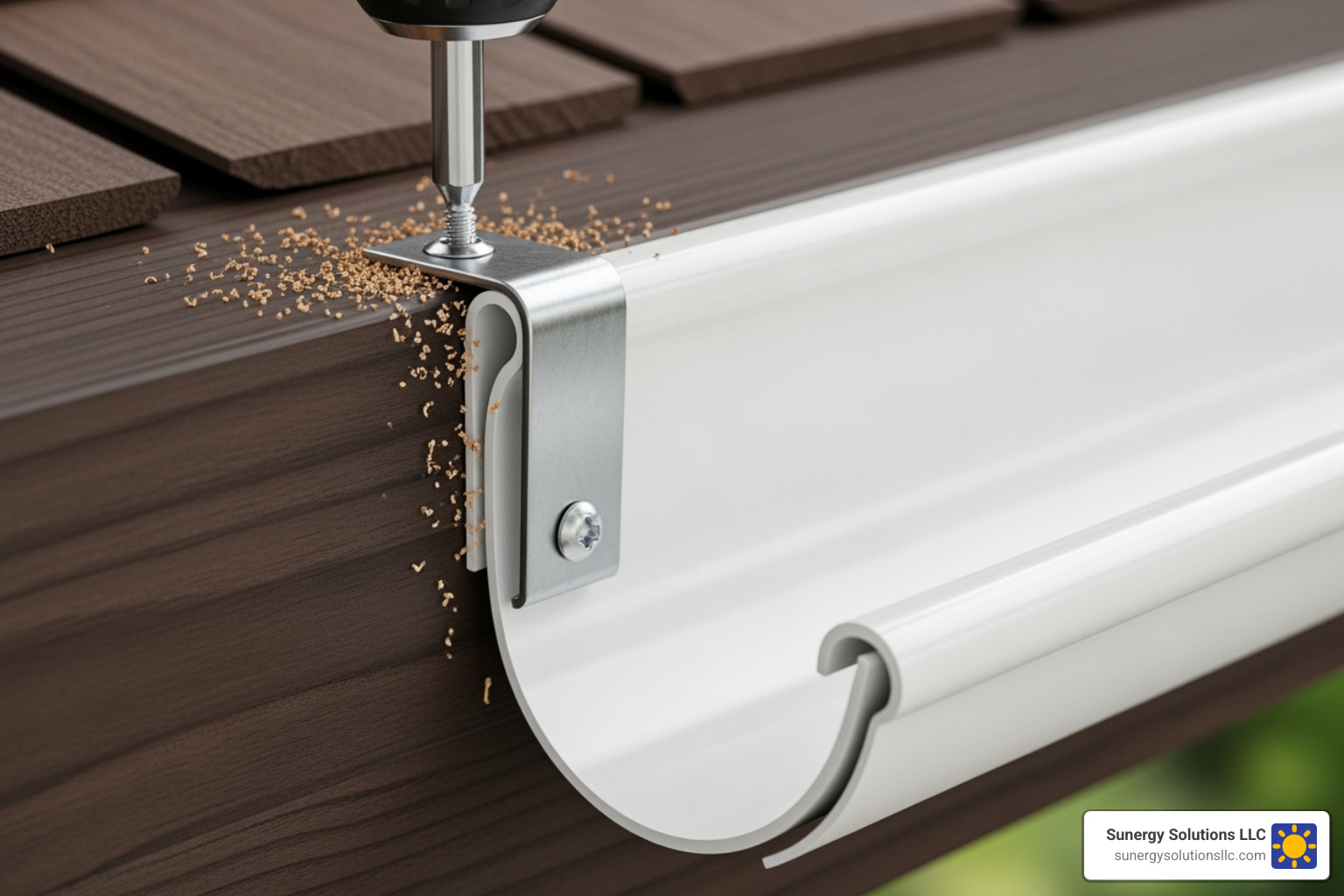
Step 4: Install Hangers and Attach the Gutters

close-up of a hidden gutter hanger being installed - home gutter replacement

  1. Hanger Spacing: Space hangers every 18-24 inches (or closer in areas with heavy snow).
  2. Attach to Fascia: Align hangers with your chalk line. Hidden hangers, which offer a cleaner look, clip into the gutter’s front lip and are screwed into the fascia board, ideally into the rafter tails for maximum stability.
  3. Secure Gutters: With your partner, lift each gutter section onto the hangers. Hook the back edge securely, then use a Drill/driver to fasten the hangers through the gutter and into the fascia.

Step 5: Install Downspouts and Extensions

  1. Assemble Downspouts: Use elbows to direct water from the gutter outlet down the wall. Connect sections with rivets or screws, ensuring the upper pieces overlap the lower ones.
  2. Secure to Wall: Use downspout straps to secure the downspout against the wall every 4-6 feet.
  3. Add Splash Blocks: At the bottom, install a splash block or extension to direct water at least 3-4 feet away from the foundation, preventing erosion.

Maintaining Your New Gutters for Maximum Lifespan

Your home gutter replacement is complete, but the work isn’t over. Proper maintenance is key to protecting your investment and ensuring your new gutters last for years.

The longevity of your gutters depends on the material—vinyl may last 10-15 years, aluminum or steel 20-30 years, and copper can last 50-100 years. You can learn more about gutter lifespans here. Reaching the high end of those estimates requires consistent care.

A seasonal cleaning schedule is your best defense against clogs. Clean your gutters at least twice a year: in the spring to clear winter debris, and in the fall after leaves have dropped. Homes with many trees may require more frequent cleaning. Clogged gutters can sag, overflow, and fail prematurely. As This Old House reminds us, cleaning twice a year makes a huge difference.

To reduce cleaning frequency, consider gutter guards. They won’t eliminate maintenance, but they can drastically cut down on it by blocking leaves, twigs, and other large debris.
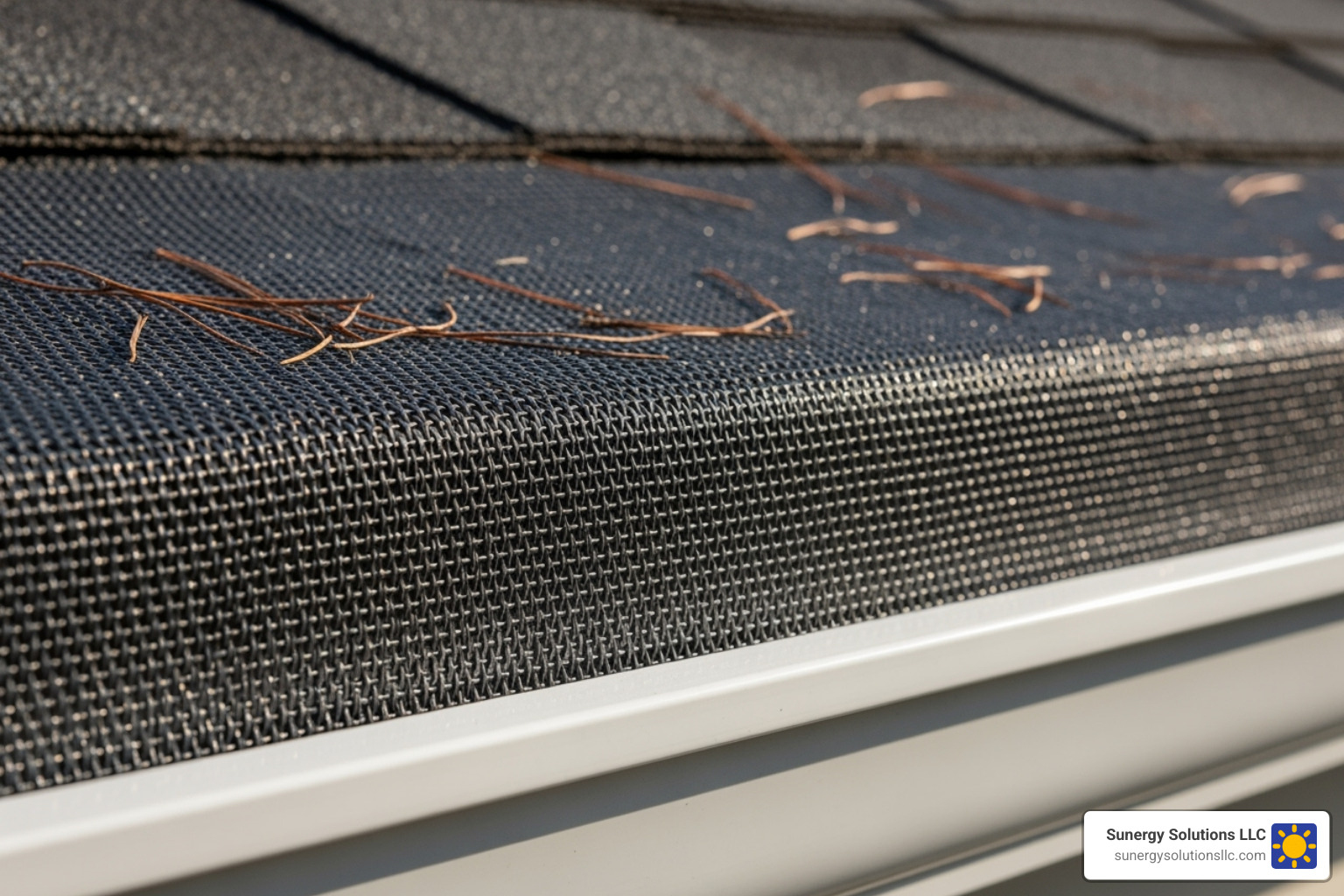
mesh gutter guard installed on a new gutter section - home gutter replacement

Gutter guards come in various types, from mesh screens to micro-mesh systems, and add $7 to $12 per foot to the cost. Many homeowners find the long-term savings in time and hassle well worth the price.

When cleaning, after scooping out debris, flush the gutters with a hose. This clears smaller particles like shingle grit and helps you spot any leaks. Ensure downspouts are clear and directing water away from your foundation. An occasional wipe-down with a mild detergent can also prevent mildew and keep your new gutters looking new.

Frequently Asked Questions about Gutter Replacement

Here are answers to common questions about home gutter replacement.

How much money can you save by installing gutters yourself?

The primary savings from a DIY home gutter replacement come from eliminating labor costs. Professional labor typically costs $5 to $10 per linear foot, which can save you $1,000 to $2,000 on an average-sized home. This doesn’t include the cost of materials (from $3/ft for vinyl to $40/ft for copper) or tools. While the savings are substantial, you must also factor in your own time and effort.

How often should home gutters be replaced?

Gutter lifespan depends on the material, climate, and maintenance.

  • Vinyl: 10 to 15 years.
  • Aluminum or Steel: 20 to 30 years.
  • Copper: 50 to 100+ years.

Regular cleaning and prompt repairs will help your gutters reach or exceed these estimates. Neglect and harsh weather can shorten their lifespan.

Should I use screws or nails to install gutters?

We strongly recommend screws over nails or spikes. Screws provide a much more secure, long-lasting hold because their threads grip the fascia board firmly. Nails and spikes can pull out over time due to temperature changes and the weight of water and debris, causing gutters to sag or detach. Using screws ensures your home gutter replacement remains securely in place.

Conclusion

This guide has walked you through every stage of a DIY home gutter replacement, from identifying the need for new gutters to the final installation. The potential to save significantly on labor costs makes a DIY approach appealing for any handy homeowner up for the challenge.

However, this project demands precision, time, and comfort working on a ladder. If you’re hesitant about tackling the job safely and correctly, or if your home has a complex roofline, hiring a professional is a smart choice. The peace of mind that comes with an expert installation is often worth the cost.

At Sunergy Solutions LLC, we are dedicated to protecting your entire home. While known for providing solar energy solutions across Connecticut, Massachusetts, Maine, New Hampshire, Rhode Island, Vermont, and Virginia, our expertise doesn’t stop there. We also offer professional roofing and Gutter Installations to ensure your home is watertight, energy-efficient, and fully protected. Whether you DIY or hire our experts, a functional gutter system is a cornerstone of a healthy home.
 

Find Out If Your Home Qualifies for No Money Down Solar

Solar Estimate Form
Please Read and Select
Please check the box above, and then click the submit button.
home gutter replacement

Appointments Available, 7 Days a Week

Blue banner with a globe and sunburst design on the left, and the text TOP 100 Installers in white and yellow on the right.Badge with the SolarReviews logo and text: Verified Installer 2024 on a blue geometric background.Circular badge with NESEA MEMBER and Northeast Sustainable Energy Association text in blue and black on a light background.
Request a Free Estimate
Home Page Form
What Can We Help You With Today?
Agree to Submit
})