
5.0 Rating
Request A Free Estimate
Thinking about switching to solar and wondering how long it’ll take to get your panels up and running?
You’re not alone.
One of the most common questions homeowners and business owners ask is: how long does it take to install solar panels?
The short answer: the actual installation usually takes one to three days, but the entire process, from contract to activation, takes two to six months, depending on where you live and how complex your project is.
Let’s break down each step, what affects the timeline, and how Sunergy Solutions helps homeowners and businesses go solar faster and more efficiently.
GET HELP WITH YOUR SOLAR INSTALLATION
The time it takes to install solar panels depends on several key factors:
Knowing these ahead of time helps set realistic expectations and ensures your project runs smoothly.
Let’s take a look at the step by step timeline for solar installation:
After signing your contract, a technician visits your property to assess roof condition, shading, and electrical setup.
Engineers then create a custom system design that maximizes efficiency and meets local code requirements.
Sunergy Solutions handles this step in-house, ensuring designs meet both municipal and utility standards, reducing delays later in the process.
Your installer submits plans to your local permitting authority for approval.
Depending on where you live, this could take anywhere from a few days to several weeks.
If you’re in an HOA community, additional approvals may be needed before installation.
In many Sunergy service areas across permits are typically approved within 2–4 weeks, much faster than the national average.
Once permits are approved, your panels, inverters, and racking systems are ordered.
Commonly stocked components arrive within a week, but specialty systems may take longer.
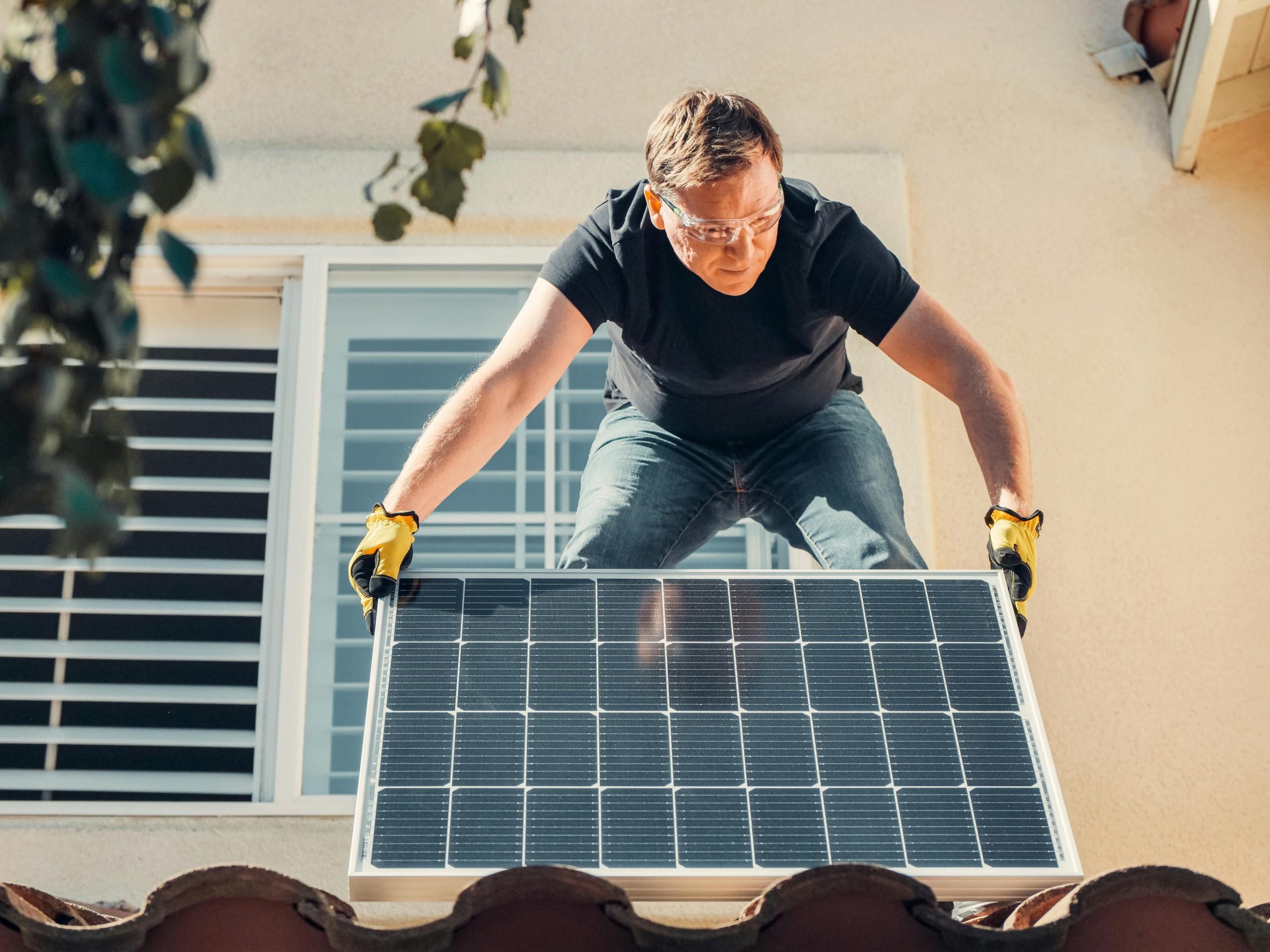
This is the exciting part, the actual time to install solar panels on your roof or property.
Sunergy Solutions coordinates every crew and inspection to minimize downtime and avoid scheduling conflicts.
After installation, your local building inspector ensures everything meets safety and code standards.
Then your utility provider performs a final check before granting Permission to Operate (PTO), the green light to power up your system.
| Project Phase | Fast Scenario | Average Time | Longer Scenario |
| Site Assessment & Design | 1 week | 1–3 weeks | 3+ weeks |
| Permitting & Approvals | 1–2 weeks | 2–6 weeks | 6–10+ weeks |
| Equipment Delivery | <1 week | 1–3 weeks | 3–5 weeks |
| Installation | 1 day | 1–3 days | 4+ days |
| Inspection & Interconnection | 1 week | 2–4 weeks | 4–6+ weeks |
| Total Project Duration | ~5–8 weeks | 2–4 months | 4–6+ months |
These timelines vary by location.
Residential solar installations tend to move quickly thanks to smaller system sizes and straightforward electrical layouts.
Most homes are fully operational within 2–4 months.
Commercial solar installations involve more complex engineering, electrical interconnections, and permitting reviews.
Larger arrays or multi-building systems can take 3–6+ months to complete.
Sunergy Solutions has dedicated teams for both residential and commercial projects, ensuring each one moves efficiently through every approval step.
Want to get your system running faster?
Here’s how to reduce your time to install solar panels:
With Sunergy Solutions, you’ll have a dedicated project coordinator keeping every step on schedule, so you can go solar without the waiting game.
Even with the best planning, unexpected issues can slow things down:
Sunergy Solutions helps prevent these issues by managing all communication with local agencies and utilities, saving you time, stress, and unnecessary rescheduling.
If you’re asking specifically about the installation itself, most residential projects take 1–3 days.
Larger installations for commercial solar systems may require 1–3 weeks of on-site work.
The rest of the timeline, design, permitting, inspection, and utility connection, happens behind the scenes and takes the bulk of the total project time.
Timelines vary based on where you live:
Sunergy Solutions works closely with local jurisdictions across multiple states, using its relationships with permitting offices and utilities to help clients get approved faster.
Whether you’re powering your home or an entire commercial facility, Sunergy Solutions takes care of every detail, from your first roof inspection to your final utility approval.
Here’s what makes the process smoother with us:
Our goal is simple: make switching to solar fast, stress-free, and customized for your energy needs.
So, how long does it take to install solar panels?
The good news?
With Sunergy Solutions, you don’t have to manage permits, inspections, or interconnection alone.
Our experienced residential and commercial teams handle everything for you, so you can start saving with solar energy sooner.
Contact Sunergy Solutions today to get your free quote and a personalized solar installation timeline for your home or business.
How quickly can solar panels be installed?
The physical installation of solar panels typically takes one to three days for most homes. However, when you include design, permitting, inspection, and utility approval, the full process usually takes two to six months from start to finish.
How long do commercial solar installations take?
Commercial projects are larger and more complex, so they often take three to six months to complete. Factors like system size, roof structure, and electrical requirements can extend the timeline, especially if the project involves multiple buildings or battery integration.
How long does it take to install solar panels on a house?
Residential solar panel installation usually takes one to three days once the crew is on-site. The rest of the timeline—design, permitting, and final approval—adds several weeks to a few months, depending on your local regulations.
Does adding a battery system increase installation time?
Yes. Adding solar batteries can extend your installation by one to two weeks. Batteries require additional permits, specialized wiring, and an extra inspection to ensure proper integration with your solar array and home’s electrical system.
Do solar panels work at night?
No, solar panels don’t produce electricity at night because they rely on sunlight. However, homes with battery storage can use the power generated during the day to keep electricity running after dark. Without batteries, your system switches to drawing power from the grid at night.
Can bad weather delay solar installation?
Yes. Heavy rain, high winds, snow, or extreme heat can delay installation for safety reasons. Your installer will reschedule work during severe weather conditions to protect both the crew and your system components.
Can I run AC with a solar panel?
Yes, you can run an air conditioner with solar power as long as your system is sized to handle the load. Most residential systems are designed to cover household energy use, including air conditioning, but energy consumption during peak summer months may require additional panels or battery storage for consistent performance.
Appointments Available, 7 Days a Week


