
5.0 Rating
Request A Free Estimate
Commercial solar installation not only paves the way for significant energy cost reductions but also positions your business as a leader in sustainability. This introduction will quickly overview the key benefits you can expect: financial savings, enhanced sustainability, and continuous cost management.
Businesses are rapidly turning to solar energy to curb rising utility expenses and to contribute positively to environmental conservation. By choosing to install commercial solar systems, companies can secure a predictable and reduced energy cost, gain tax advantages, including substantial federal tax credits, and leverage depreciation benefits—tools that provide immediate and future economic relief.
Moreover, the installation of solar systems has proven to dramatically decrease carbon footprints, aligning commercial entities with growing consumer expectations for environmental responsibility. Not only does this green initiative enhance your public image, but it also offers a competitive edge in attracting eco-conscious customers and tenants.
To consolidate this information for quick reference:
– Cost Reduction: Minimized utility bills through solar energy.
– Sustainability: Reduction in carbon footprint and support in achieving green certification.
– Economic Incentives: Access to tax credits, rebates, and potential accelerated depreciation.

Ensuring the installation is professionally executed is essential to maximize these benefits, which will be outlined in depth as we proceed through this guide on mastering commercial solar installations.
When it comes to commercial solar installation, understand the key components that make up the system. These include solar panels, inverters, and mounting systems. Each plays a vital role in ensuring efficient operation and optimal energy production.
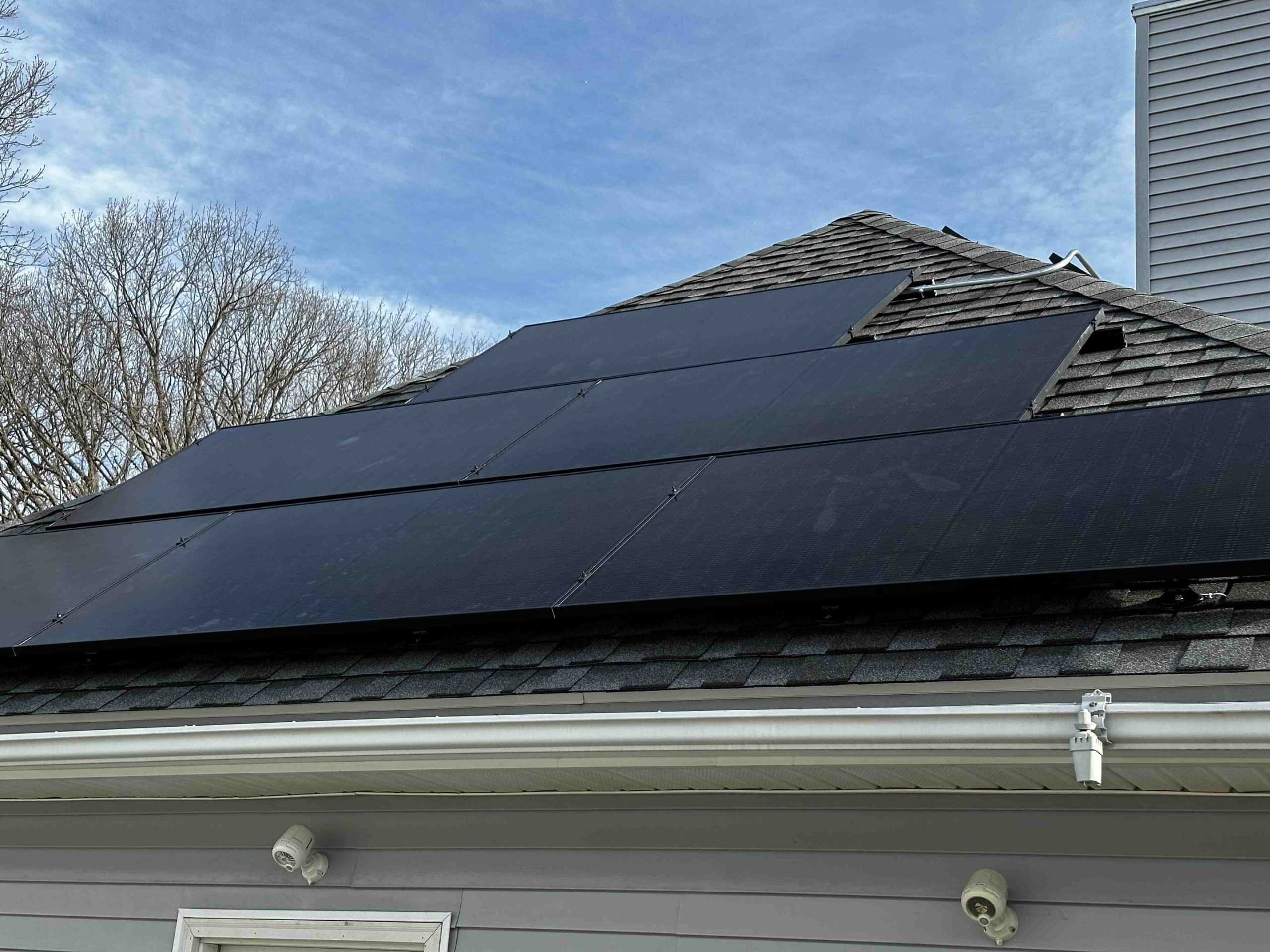
Solar panels are the heart of any solar power system. They capture sunlight and convert it into electricity. Commercial solar panels usually have more photovoltaic cells than residential ones — typically around 96 cells per panel. This setup allows for higher efficiency and more power generation, which is crucial for meeting the energy demands of commercial buildings.
Commercial panels also often feature a white backsheet and silver frame, enhancing their efficiency by about 1% to 2%. These design choices help maximize the capture of sunlight and increase the overall energy yield of the system.
The next critical component is the inverter. In commercial setups, three-phase inverters are common. These devices convert the direct current (DC) generated by the solar panels into alternating current (AC), which is used by most commercial buildings and can be fed into the power grid.
Three-phase inverters are preferred in commercial applications because they provide more power and are more cost-effective compared to single-phase inverters. They are also compact, making them ideal for installations where space is at a premium.
Finally, the mounting system is what secures the solar panels to the building or the ground. The choice of mounting system depends on the type of roof or the installation site. For commercial buildings, options include:
Each mounting option must be tailored to the specific conditions of the site to ensure safety, durability, and performance.
By understanding these key components — solar panels, inverters, and mounting systems — businesses can make informed decisions about their commercial solar installations. This knowledge ensures that the system is designed and installed to meet specific energy needs and to withstand environmental factors, ultimately leading to a successful solar energy project.
In the next section, we will delve into the planning and designing phase, which is crucial for tailoring the solar installation to your business’s specific requirements.
When planning a commercial solar installation, it’s crucial to understand the main components that make up the system. These include solar panels, inverters, racking, and monitoring systems. Each part plays a vital role in ensuring the efficiency, reliability, and effectiveness of the solar power system.
Solar panels are the heart of any solar system. They are responsible for converting sunlight into electricity. Most commercial solar panels are larger and more powerful than residential ones, typically containing 96 cells or more. These panels are designed to meet the high energy demands of commercial operations. The choice of panels can significantly affect the system’s overall performance and the speed at which you see a return on your investment.
The inverter is a critical component that converts the direct current (DC) electricity generated by solar panels into alternating current (AC) electricity, which is used by most commercial buildings. Commercial systems usually use three-phase inverters, which are more powerful and efficient than single-phase inverters used in residential settings. This type of inverter helps manage the energy load more effectively, ensuring a stable energy supply to large commercial facilities.
Racking systems are what hold the solar panels in place on the roof or the ground. The choice of racking depends on the type of roof or installation surface and can significantly impact the overall cost and feasibility of the installation. For flat roofs, ballasted racking systems, which use weights to hold the system in place without penetrating the roof, are common. Sloped roofs might require attached racking systems that anchor into the roof for stability.
Monitoring systems are essential for tracking the performance of a solar power system. They provide real-time data on energy production and help detect any issues or inefficiencies. Effective monitoring can help maximize the energy production of your solar panels, ensuring that your investment is performing as expected. This data is crucial for maintaining the efficiency of the system over its lifespan and can help in troubleshooting any potential problems before they become significant.
By understanding these key components — solar panels, inverters, racking, and monitoring systems — businesses can ensure that their commercial solar installation is well-planned and executed, leading to maximum efficiency and return on investment. In the next section, we will delve into the planning and designing phase, which is crucial for tailoring the solar installation to your business’s specific requirements.
When you decide to invest in a commercial solar installation, the planning and design phase is critical. This stage sets the foundation for the efficiency, effectiveness, and overall success of your solar project. Let’s break down the essential steps: Site Assessment, Energy Needs Analysis, and System Sizing.
The first step in designing your solar system is a thorough site assessment. This involves a physical inspection of your location to identify the best possible placement for the solar panels. Factors considered include:
A detailed site assessment ensures that the solar system design is optimized for your specific location.
Understanding your business’s energy consumption is crucial. This analysis involves reviewing your past electricity bills to determine your energy usage patterns. Key considerations include:
This step helps in determining the size of the solar system needed to meet your energy demands effectively.
Once we have a clear understanding of your site specifics and energy needs, we can move on to system sizing. This process involves calculating the number of solar panels and the size of the inverter required to meet your energy goals. Here’s how it’s done:
Proper system sizing is essential to ensure that your solar system meets your energy requirements without overinvestment.
By conducting a comprehensive site assessment, performing an energy needs analysis, and accurately sizing the system, we can design a solar solution that maximizes your return on investment. Each of these steps requires careful consideration and expertise to ensure that the solar installation meets your business’s specific needs and conditions.
In the next section, we will explore the actual installation process, including permitting, physical installation, and grid connection, to bring your commercial solar project to life.
Transitioning to solar power involves several critical steps. After planning and designing your commercial solar installation, the actual setup begins. This section covers the key phases: Permitting, Installation, and Grid Connection.
Permitting is the first step in the installation process. This involves obtaining necessary approvals and paperwork from local authorities. It ensures that your solar installation complies with all local building codes, zoning laws, and safety regulations.
Navigating these requirements can be complex and time-consuming, but they are crucial for a lawful and safe installation.
The Installation phase is where your solar system starts to take shape physically. This process typically involves the following steps:
Each step requires skilled technicians and careful coordination to ensure that the system is installed efficiently and safely.
Finally, Grid Connection is about integrating your solar system with the local utility grid. This step is vital for systems that operate on a net metering basis, where excess electricity generated can be sold back to the grid.
This phase ensures that your solar system not only serves your business’s energy needs but also complies with all utility regulations, contributing to a stable and reliable power grid.
By understanding each of these phases, you can better prepare for what to expect during your commercial solar installation. Properly navigating permitting, meticulously executing installation, and ensuring compliant grid connection are all crucial for a successful solar project that maximizes both financial returns and energy efficiency. In the next section, we will delve into how to maximize the ROI of your commercial solar investment through various incentives and energy savings strategies.
Investing in commercial solar can deliver substantial financial gains for your business. The two key metrics to consider are the Return on Investment (ROI) and the payback period.
The financial benefits are clear: reduced utility bills, protection against rising energy costs, and an increase in property value. These factors combined make commercial solar a wise financial decision for most businesses.
To maximize your ROI, take advantage of available tax credits, incentives, and rebates:
To find out what incentives are available in your area, consult local solar energy experts or use the Database of State Incentives for Renewables & Efficiency (DSIRE).
By strategically leveraging these financial mechanisms, businesses can significantly lower the initial investment costs and accelerate the payback period, enhancing the overall ROI of their commercial solar installation. Always consult with a tax professional to understand how to fully utilize these incentives based on your company’s financial situation.
In conclusion, understanding and applying these financial strategies and incentives will ensure your commercial solar installation not only contributes to sustainability but also offers substantial economic benefits, leading seamlessly into ongoing maintenance and performance monitoring to sustain these advantages.
Keeping your commercial solar installation in top shape is crucial for maximizing its efficiency and lifespan. Here’s how you can maintain your system through cleaning, monitoring, and preventative maintenance.
Why clean your panels? Dirt, leaves, and other debris can reduce your solar system’s efficiency by up to 35%. It’s like having a dirty window that blocks sunlight.
How often? It’s recommended to clean your solar panels at least once a year. However, if your panels are in a particularly dusty area or get lots of bird droppings, you might need to clean them more often.
How to clean? Use a soft brush and gentle soap. Avoid harsh chemicals or abrasive tools that could damage the panels.
Stay informed. Most commercial solar systems come with monitoring technology that lets you check your system’s performance in real-time. This can be accessed via a web-based application from anywhere.
What to look for? Keep an eye on sudden drops in energy production. This could be a sign of dirt accumulation or something more serious like a damaged panel.
Routine checks are key. Have a professional inspect your solar system annually. They’ll look for and fix potential issues like loose connections or worn-out wires before they become bigger problems.
Benefits of regular maintenance:
– Ensures maximum efficiency
– Extends the lifespan of your installation
– Prevents costly repairs down the line
Remember, maintaining your commercial solar installation isn’t just about cleaning. It’s about regular monitoring and timely interventions by professionals to ensure everything runs smoothly. This continuous care not only protects your investment but also ensures that the system continues to provide optimal energy output and efficiency, seamlessly contributing to your business’s operational success and sustainability goals.
Commercial solar panels are built to last and with proper maintenance, you can expect them to serve you well for 25 to 30 years. This lifespan is typical for high-quality panels installed professionally and maintained regularly to ensure they function efficiently over the years.
Yes, keeping solar panels clean is crucial. Dirt, debris, and other materials that accumulate on the surface can block sunlight and significantly decrease the energy production by up to 35%. It’s recommended to schedule cleaning at least once a year to maintain optimal performance and energy output.
To determine the number of solar panels your business needs, start by calculating your hourly energy requirements. Multiply this by the peak sunlight hours your location receives. Then, divide by the wattage of the solar panels you plan to use. This will give you the total wattage required. From there, you can figure out how many panels are necessary to meet your energy needs. For example, if a panel has a wattage of 300 watts and your total need is 30,000 watts, you would need 100 panels.
Remember, each business is unique in its energy consumption, so these calculations are a starting point. It’s always best to consult with a professional to get a precise assessment tailored to your specific situation.
Up next, let’s dive deeper into the financial aspects of solar investments and uncover how to maximize returns through smart strategies and available incentives.
At Sunergy Solutions LLC, we understand that the decision to invest in commercial solar installation is not just about today’s savings—it’s about securing a sustainable and economically beneficial future for your business. Our commitment to helping you harness the power of solar energy extends beyond installation. We’re here to ensure that your investment pays dividends for decades.
Investing in commercial solar power systems offers a multitude of long-term benefits:
At Sunergy Solutions LLC, we are not just a provider; we are your partner in the transition to renewable energy. Our team of experts is dedicated to designing a system that not only meets your current energy needs but also scales with your business growth. From the initial consultation to the final installation and beyond, we ensure every step is handled with the utmost professionalism and expertise.
Partner with us today to begin your journey towards a sustainable and cost-effective energy future. With Sunergy Solutions LLC, you’re choosing a cleaner, greener, and more financially wise path for your business’s energy needs. Let’s harness the sun’s power and make a lasting impact together.
Appointments Available, 7 Days a Week


