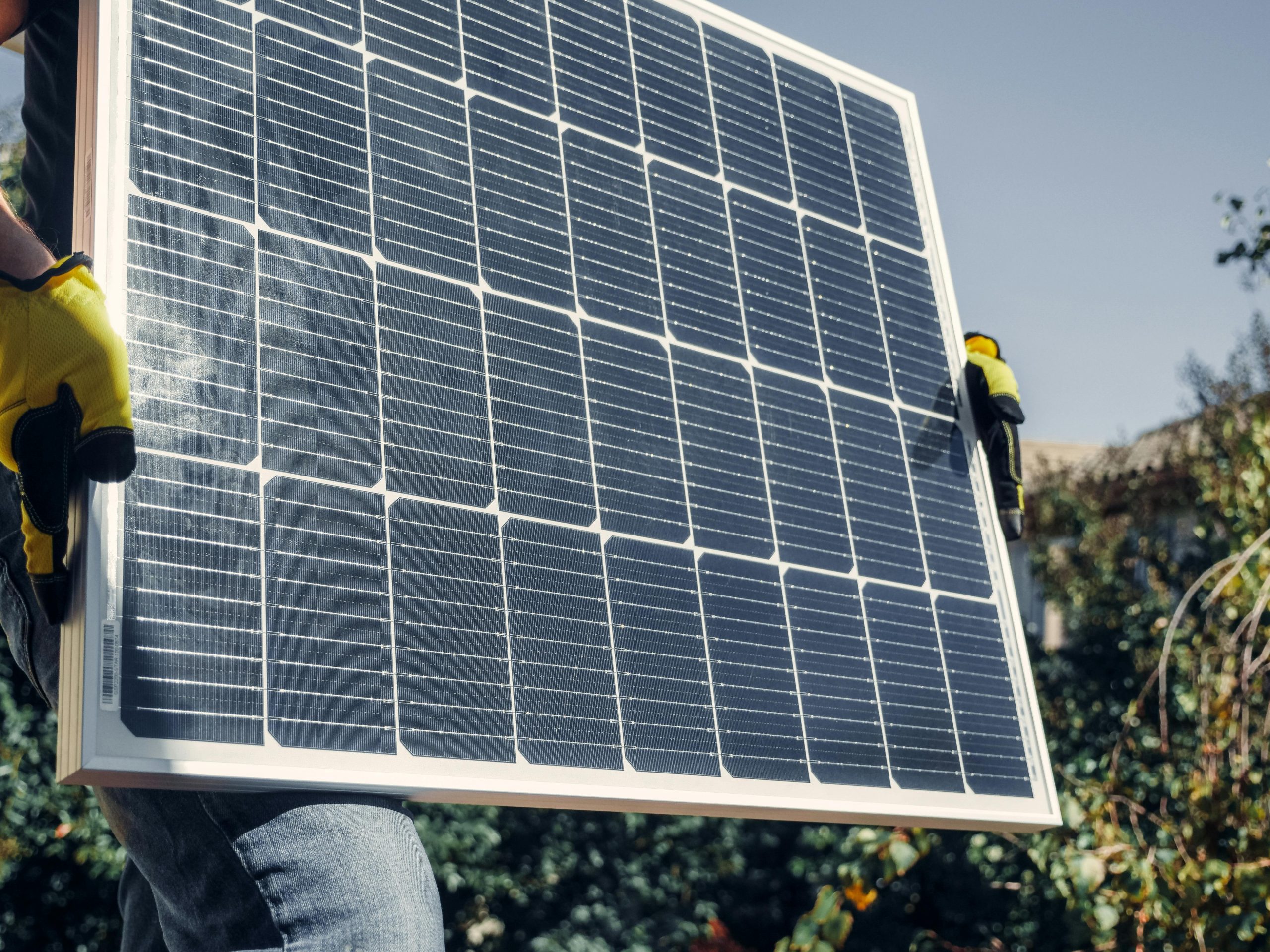
If you’re thinking about residential solar power, one of the first questions that comes up is simple but important: how many solar panels do I need?
For most homes, the answer usually falls between 15 and 25 solar panels, but the exact number depends on how much electricity you use, the type of panels you choose, how much sunlight your home gets, and how much usable roof space you have.
Let’s break it down in a way that’s easy to understand and actually useful for you.
SEE IF SOLAR POWER IS RIGHT FOR YOU
Quick Answer: How Many Solar Panels Do I Need?
Most homes need 15–25 solar panels to cover their electricity use.
Homes with lower energy usage may need fewer panels, while larger homes or households with higher usage may need more.
Your final number depends on:
- Monthly electricity usage (kWh)
- Solar panel wattage
- Sunlight exposure
- Roof size, angle, and shading
- Whether you want partial or full energy offset
How Many Solar Panels Does the Average Home Need?
The average home typically needs around 20 solar panels to meet most of its electricity needs.
That number can shift depending on:
- How energy-efficient the home is
- Whether the home uses electric heating, cooling, or appliances
- Local sunlight conditions
- Panel efficiency
Two homes that look similar on the outside can need very different system sizes once usage and roof layout are considered.
How Many Solar Panels to Power a House?
When people ask how many solar panels to power a house, they usually want to know whether solar can fully replace their electric bill.
Here’s a general guideline based on average household electricity use:
- 600–800 kWh per month → about 12–18 panels
- 900–1,200 kWh per month → about 18–25 panels
- 1,300+ kWh per month → 25–35 or more panels
These are estimates, but they give a realistic starting point for most homes.
What Determines How Many Solar Panels You Need?
Let’s take a look at a few different factors that can affect how many solar panels you need:
Your Electricity Usage
This is the biggest factor.
The more electricity your household uses, the more solar panels you’ll need.
You can usually find your monthly and yearly usage on your electric bill.
Solar Panel Wattage
Most residential solar panels fall between 350 and 450 watts.
Higher-watt panels produce more electricity per panel, which can reduce the total number needed, especially helpful if roof space is limited.
Sunlight Exposure
Homes with consistent, direct sunlight can generate more energy with fewer panels.
Roof direction, seasonal changes, and weather patterns all influence output.
Roof Size, Angle, and Shading
Your roof needs enough usable space for the required number of panels.
Shade from trees, chimneys, or nearby buildings can reduce production and increase how many panels are needed.
Energy Goals
Some homeowners want to offset 100% of their electricity usage, while others aim to reduce their bill without fully replacing grid power.
Your goal affects system size.
A Simple Way to Estimate Your Solar Panel Needs
You can get a rough estimate using this basic formula:
Annual electricity usage ÷ annual production per panel = panels needed
Example:
- Annual usage: 10,800 kWh
- One panel produces: about 400 kWh per year
- Estimated panels needed: around 27
This method gives you a helpful ballpark number, but it doesn’t account for roof layout, shading, or seasonal changes.
How Much Roof Space Do Solar Panels Need?
Most solar panels take up 17–20 square feet each.
That means:
- 15 panels → about 260–300 sq ft
- 25 panels → about 430–500 sq ft
If roof space is tight, higher-efficiency panels can help generate the same power with fewer panels.
Why Online Solar Calculators Are Only a Starting Point
Online calculators are helpful for quick estimates, but they can’t see:
- Roof shading or obstructions
- Panel placement limitations
- Local weather patterns
- Future energy needs like EV chargers or heat pumps
They’re a good first step, but not the final answer.
What Most Homeowners Underestimate
Many people calculate solar needs based only on current usage, but energy needs often increase over time.
Electric vehicles, home upgrades, and changing lifestyles can all raise electricity consumption.
Planning for future usage can help avoid needing system expansions later.
In Simple Terms
If you know your monthly electric bill, your roof gets decent sunlight, and you’re using modern solar panels, you can usually estimate your needs within a few panels.
Most homes fall somewhere between 15 and 25 solar panels, with higher energy use pushing that number up.
Getting an Accurate Answer for Your Home
The most reliable way to know how many solar panels you need is through a custom assessment that looks at your energy usage, roof layout, sunlight exposure, and long-term goals.
Sunergy Solutions works with homeowners across Connecticut, Massachusetts, Maine, New Hampshire, Rhode Island, Vermont, and Virginia, helping design solar systems that are properly sized for real-world conditions.
A correctly sized system leads to better performance, better savings, and fewer surprises down the road.
CONTACT US
Final Thoughts: How Many Solar Panels Do I Need
There’s no one-size-fits-all answer to how many solar panels you need.
While many homes land in the 15–25 panel range, your exact number depends on how you use energy and what your home can support.
If you’re serious about residential solar power, moving beyond estimates and getting a personalized look at your home is the smartest next step.
GET A FREE ESTIMATE
FAQs: How Many Solar Panels Do I Need
How do I calculate how many solar panels I need?
Start by looking at your annual electricity usage in kilowatt-hours, which you can find on your electric bill. Divide that number by the estimated yearly output of one solar panel, usually around 350–450 kWh. This gives a rough estimate, but factors like roof layout, sunlight exposure, and panel efficiency can change the final number.
Is it better to have more solar panels or more batteries?
It depends on your goals. More solar panels help generate more electricity during the day and reduce reliance on the grid. Batteries store excess energy for use at night or during outages. If your goal is lower electric bills, panels usually provide more value. If backup power and energy independence matter more, adding batteries can make sense.
Do solar panels work on cloudy days?
Yes, solar panels still produce electricity on cloudy days, just at a lower level than on sunny days. Modern panels are designed to capture diffuse sunlight, so while output drops, your system continues to generate power year-round.
For many homeowners, solar panels are worth it because they lower monthly electric bills, protect against rising energy costs, and add long-term value to the home. The exact benefits depend on energy usage, utility rates, and how much sunlight the home receives.
A good solar roof typically has enough open space, limited shading, and a structure that can support panels. South-facing roofs are ideal, but east- and west-facing roofs can also work well. A professional assessment can determine how suitable your roof is.
Once permits and approvals are in place, the physical installation usually takes one to three days. The full process, including design, permitting, and utility approval, often takes a few weeks to a couple of months depending on local requirements.