
5.0 Rating
Request A Free Estimate
Commercial energy management solutions are integrated systems that help businesses monitor, control, and optimize energy consumption. By combining real-time data, automated controls, and analytics, they reduce energy waste and lower operational costs.
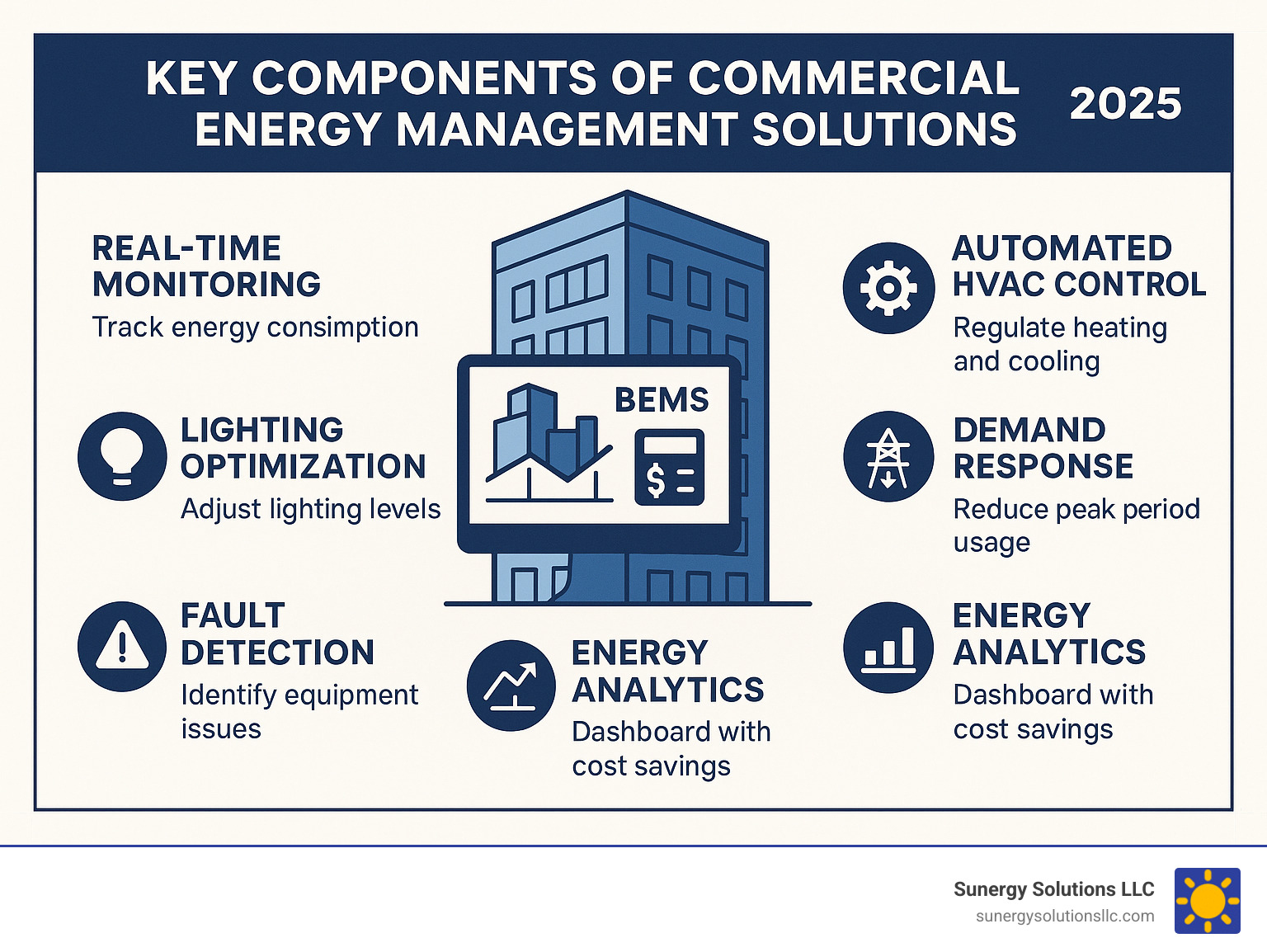
Key components include Building Energy Management Systems (BEMS) to control HVAC and lighting, real-time monitoring, automated optimization based on occupancy and weather, demand response management to cut costs during peak hours, fault detection, and submetering for detailed usage data.
The numbers tell a clear story. Commercial buildings typically waste 20% of the energy they consume, while energy costs rose over 18% between 2020 and 2022. At the same time, businesses face increasing pressure to meet sustainability goals and comply with stricter environmental regulations.
Energy-efficient buildings can consume up to 85% less power than poorly performing ones. Companies implementing comprehensive energy management systems often see savings of 20-30% on their energy bills.
Today’s solutions use artificial intelligence, IoT sensors, and cloud-based analytics to create smart buildings that adapt to usage patterns and optimize performance automatically.
I’m Robert Raffa, CEO and Founder of Sunergy Solutions LLC. With a background in investment banking, I’ve spent nearly a decade helping Northeast businesses reduce energy costs by combining smart technology like solar and commercial energy management solutions with sound financial planning to deliver measurable ROI.
Commercial energy management solutions word roundup:
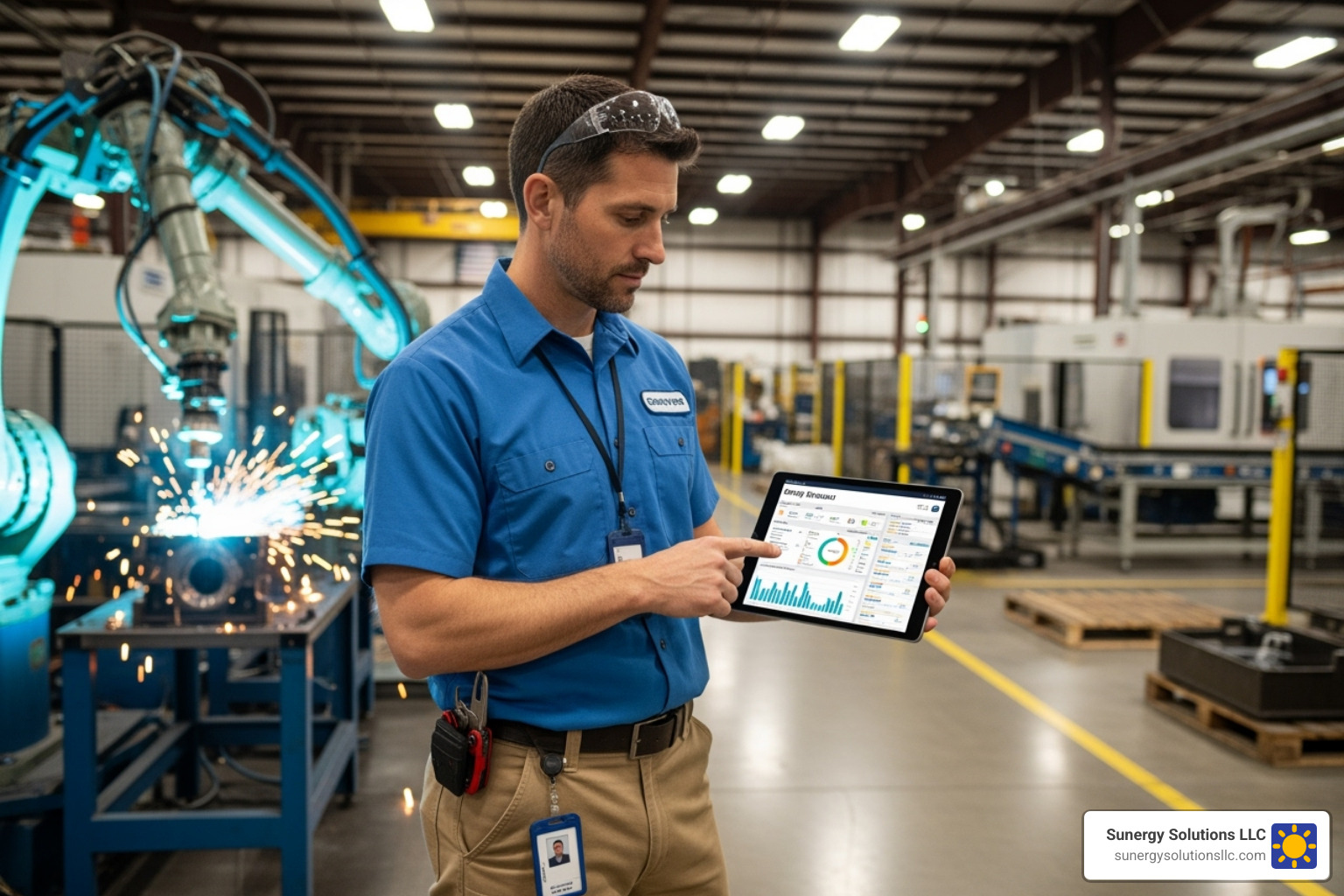
Imagine your office systems perfectly adjusted for the day ahead—optimal lighting, comfortable temperature, and controlled energy costs. This is the reality with smart commercial energy management solutions. Managing energy is critical today due to rising operational costs, environmental responsibility, and the strain inefficient buildings place on our power grids.
By developing more efficient buildings, we’re not just helping individual businesses—we’re contributing to a more stable and affordable power supply for entire communities.
Think of a Building Energy Management System (BEMS) as the central nervous system of your building’s energy operations. It’s an integrated platform that collects real-time data on HVAC performance, lighting usage, electricity consumption, water usage, and gas consumption. It then analyzes this data to identify inefficiencies and provide you with centralized control over your entire energy ecosystem. What sets a modern BEMS apart is its ability to learn your building’s unique rhythms and automatically make adjustments to optimize performance.
A BEMS operates through several core functions. Real-time monitoring tracks usage patterns, while automated optimization adjusts systems based on occupancy or weather. Demand response management is crucial, as it reduces consumption during expensive peak hours, potentially cutting demand charges that can be up to 50% of a utility bill. Fault detection provides early warnings on equipment issues, preventing up to 40% of power-related downtime, and submetering offers detailed usage data, which can lead to savings of up to 18% through increased awareness.
The need for energy management is clear. With energy costs rising 18% between 2020 and 2022, efficiency is a competitive necessity. Beyond savings, these systems help meet stricter sustainability regulations and support Corporate Social Responsibility (CSR) initiatives. Energy-efficient buildings also gain a competitive edge, attracting better tenants, commanding higher rents, and often qualifying for valuable tax incentives and rebates.
For businesses ready to take their energy strategy to the next level, integrating renewable energy sources with advanced management systems creates powerful synergies. You can explore how Commercial and Industrial Solar Solutions can complement your energy management strategy and maximize your savings potential.
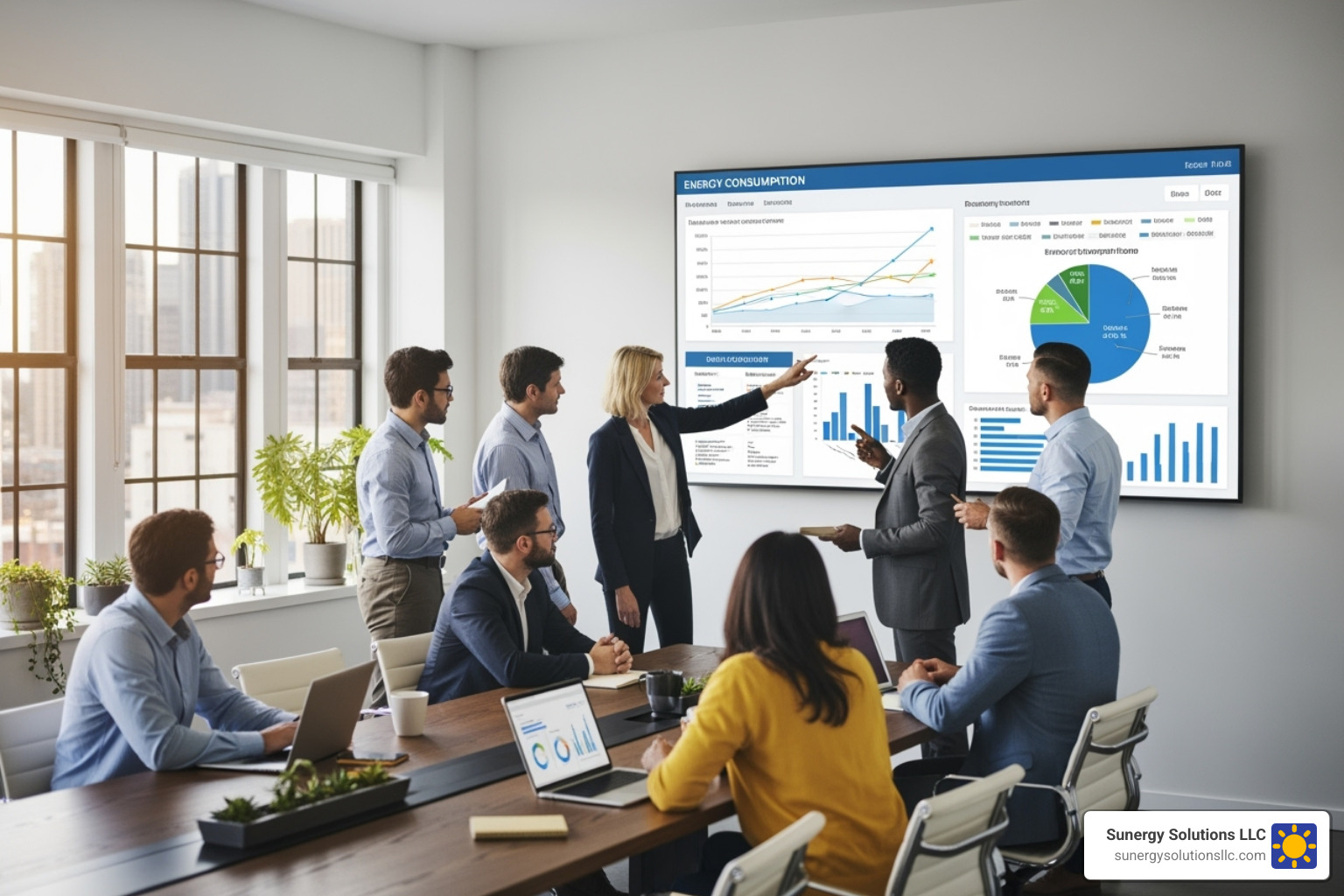
Investing in commercial energy management solutions open ups tangible business advantages. It transforms your building from a passive energy consumer into an active, intelligent system that constantly works to improve performance and cut costs.
The most immediate impact is on your budget. Businesses can achieve direct energy savings of up to 30%. This comes from multiple angles: peak demand shaving slashes high demand charges that can make up 50% of your bill, reduced maintenance costs result from less wear on equipment, and optimized resource allocation is possible thanks to detailed data on energy use.
If you’re considering solar as part of your energy strategy, understanding the financial picture is crucial. Check out our insights on Commercial Solar Panel Cost to see how solar can amplify your energy management savings.
These solutions are essential for modern sustainability strategies. They facilitate carbon footprint reduction by lowering energy use and simplify ESG reporting with automated data tracking. This makes achieving green building standards like LEED and BREEAM more manageable and ensures you can track compliance with increasingly strict environmental regulations.
For a comprehensive look at available incentives that can help fund your sustainability initiatives, the Information on state and federal incentives from DSIRE database is an excellent resource.
Energy management systems protect your significant equipment investments. By ensuring systems operate in their optimal range, they experience reduced wear and tear. Proactive maintenance alerts prevent unexpected breakdowns, while power quality monitoring protects sensitive equipment from damage. This leads to minimized downtime—up to 40% of which is power quality related—which is critical for any operation. By protecting critical assets, you maximize their lifespan and performance.
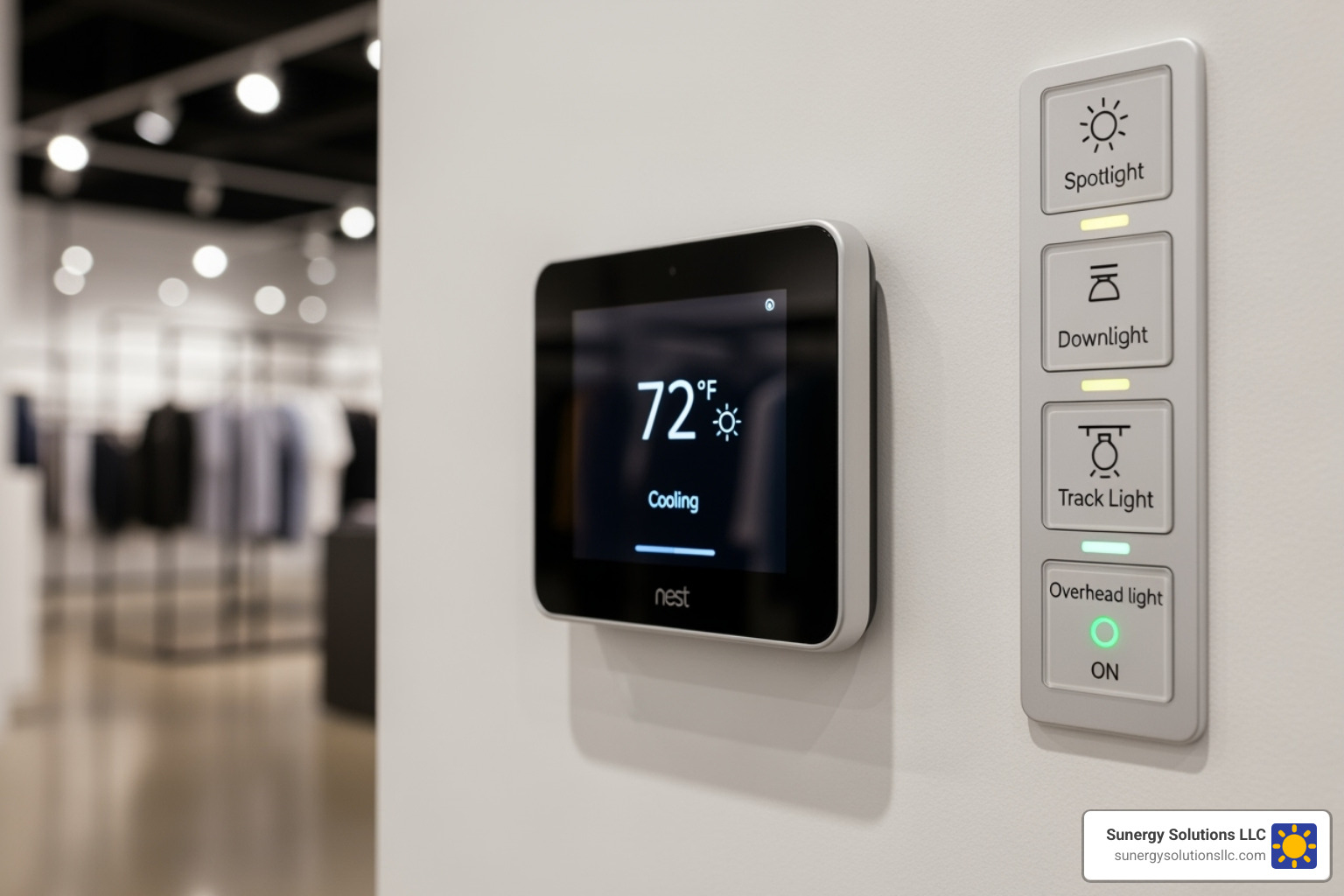
Not all commercial energy management solutions are created equal. Knowing what to look for is key to choosing a system that delivers long-term value and meets your needs now and in the future.
Look for these essential features in a modern BEMS. A cloud-based platform with mobile access allows you to monitor and adjust systems from anywhere. Intuitive dashboards and customizable reporting turn complex data into actionable insights. Crucially, integration capabilities using protocols like BACnet ensure the system can communicate with your existing HVAC, lighting, and security equipment.
Traditional BEMS are reactive, operating on pre-set rules and schedules. In contrast, AI-driven systems are proactive and adaptive. They use machine learning to predict energy needs, identify complex patterns, and continuously optimize performance. While traditional systems are simpler, AI-driven platforms offer greater long-term efficiency and can predict and prevent issues before they occur.
These solutions are valuable across many industries. Office buildings use occupancy-based controls to save energy in unused spaces. Retail balances customer comfort with HVAC and lighting optimization. Healthcare facilities prioritize power reliability for critical equipment. Manufacturing plants focus on equipment efficiency and production schedules, while data centers use it to manage immense cooling and power requirements.
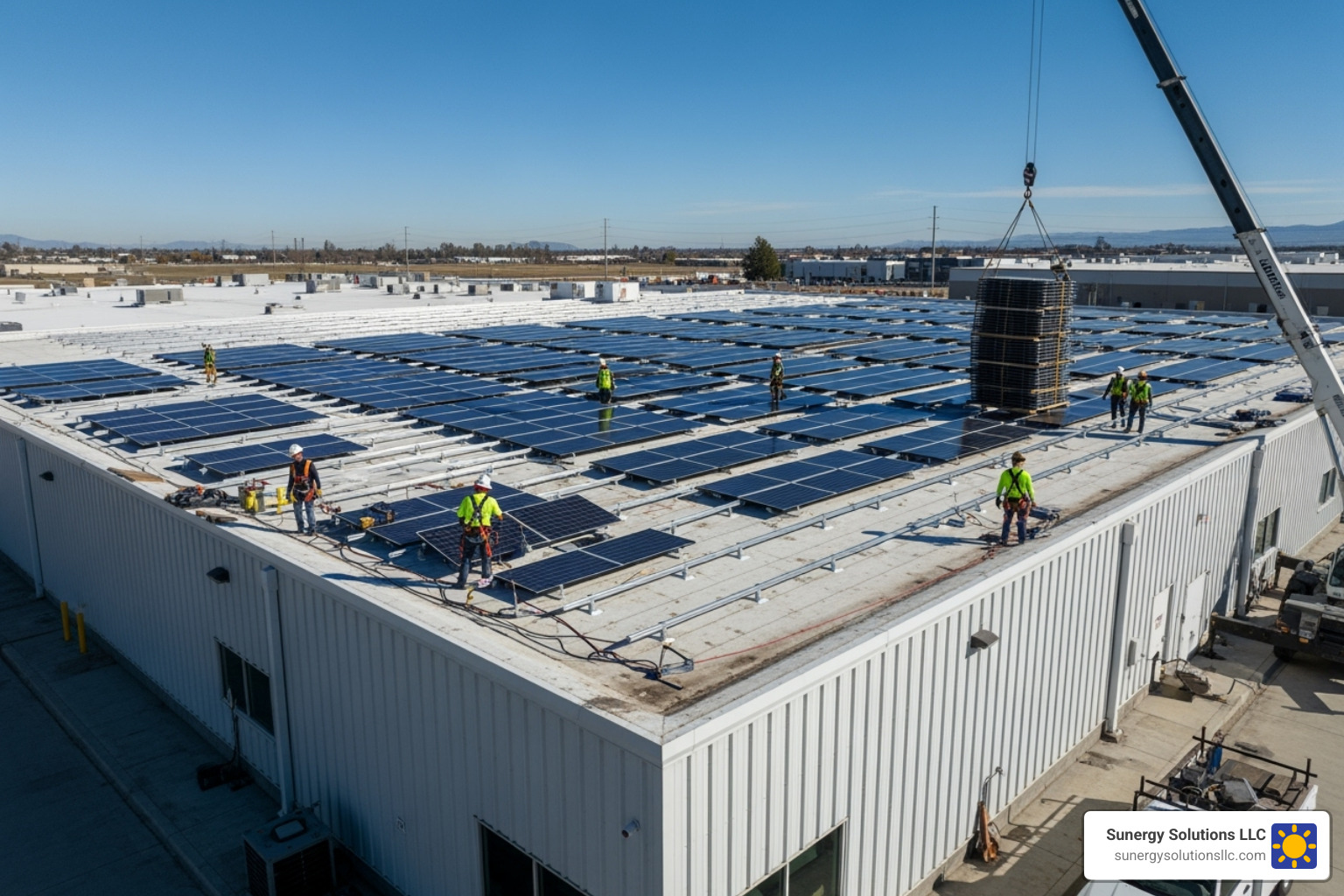
Implementing commercial energy management solutions requires careful planning and the right partners. Understanding the roadmap ahead ensures a smooth process from start to finish.
Several challenges are common but manageable. High initial costs are often a concern, but the investment is typically offset by long-term savings within a few years. You can explore Commercial Solar Project Financing options to help. System complexity and a lack of in-house expertise can be addressed by working with skilled professionals and investing in training. Finally, tenant disruption during installation can be minimized through careful scheduling and communication.
Choosing a provider is a critical decision. Start by assessing your specific needs to narrow your options. Evaluate vendor expertise by looking at their track record in your industry and requesting detailed case studies. It’s also vital to understand ongoing support and maintenance agreements, as your relationship with the provider continues long after installation. Finally, review warranty and service agreements to protect your investment.
The future of BEMS is exciting. IoT integration allows for more granular control through a network of sensors. Grid-interactive buildings are becoming active participants in the electrical grid, helping to balance supply and demand. Digital twins—virtual replicas of buildings—allow for risk-free testing of new strategies. Improved predictive analytics can forecast equipment failures and energy demand with remarkable accuracy. Most importantly, seamless integration with renewable energy sources like solar allows the system to orchestrate grid power, solar generation, and battery storage for maximum savings and efficiency.
For businesses considering solar as part of their energy strategy, our comprehensive guide to Commercial Solar Energy Systems explains how renewable energy integrates perfectly with modern energy management systems.
Business owners often have similar questions when considering commercial energy management solutions. Here are answers to the most common concerns.
Savings depend on your building size, industry, and current energy use, but most businesses save between 5% and 30% on energy bills. These savings come from reduced overall consumption, lower peak demand charges, and decreased maintenance costs. For example, 7-Eleven achieved average savings of 11.52% through strategic energy management.
Yes. Modern BEMS are designed for integration. They use open communication protocols like BACnet, which acts as a universal translator, allowing the new system to communicate with your existing HVAC, lighting, and security controls, regardless of the manufacturer. This makes your current infrastructure smarter without requiring a full replacement.
A BEMS acts as the brain for a solar power system. It intelligently decides when to use solar power directly, when to store excess energy in batteries for later use, and when to draw from the grid. This optimization is key, as it aligns your building’s energy consumption with your solar generation, ensuring you use every watt as efficiently as possible and maximizing the return on your Commercial Solar Panels investment.
The change of commercial buildings through smart energy management is accelerating. Commercial energy management solutions deliver a powerful combination of cost savings, sustainability improvements, and improved efficiency that are essential in today’s market.
Businesses can achieve up to 30% energy savings and reduce maintenance costs by shifting from reactive to proactive management. The most significant advantage comes from integrated solutions. Combining advanced energy management with renewable energy sources like solar creates a synergy that maximizes your investment.
At Sunergy Solutions LLC, we specialize in customized solar installations that complement comprehensive energy management strategies. Our focus on top-tier equipment, extensive warranties, and exceptional customer service ensures a reliable, long-term solution.
Ready to take control of your building’s energy future? The technology is proven and the benefits are clear. Find out how top commercial solar companies can help you get started on creating a more efficient and profitable energy strategy.

Appointments Available, 7 Days a Week


