
5.0 Rating
Request A Free Estimate
Solar panel installation reviews are crucial for your solar investment. With the average residential solar system costing around $20,650 and lasting 25+ years, choosing the wrong installer could cost you thousands in repairs and lost savings.
Key factors to evaluate in solar installation reviews:
The solar industry’s explosive growth has brought a flood of new companies—some excellent, others not. As one customer shared: “The salesman was friendly… but when our monitoring system failed, we had to send monthly emails just to get updates on repairs.”
A quality installation can save you $25,000+ over 20 years and increase your home value by 6.8%. A poor one can lead to leaks, underperforming panels, and endless headaches. At Sunergy Solutions LLC, we’ve spent nearly a decade helping homeowners steer solar panel installation reviews to find the right partner and avoid costly mistakes.
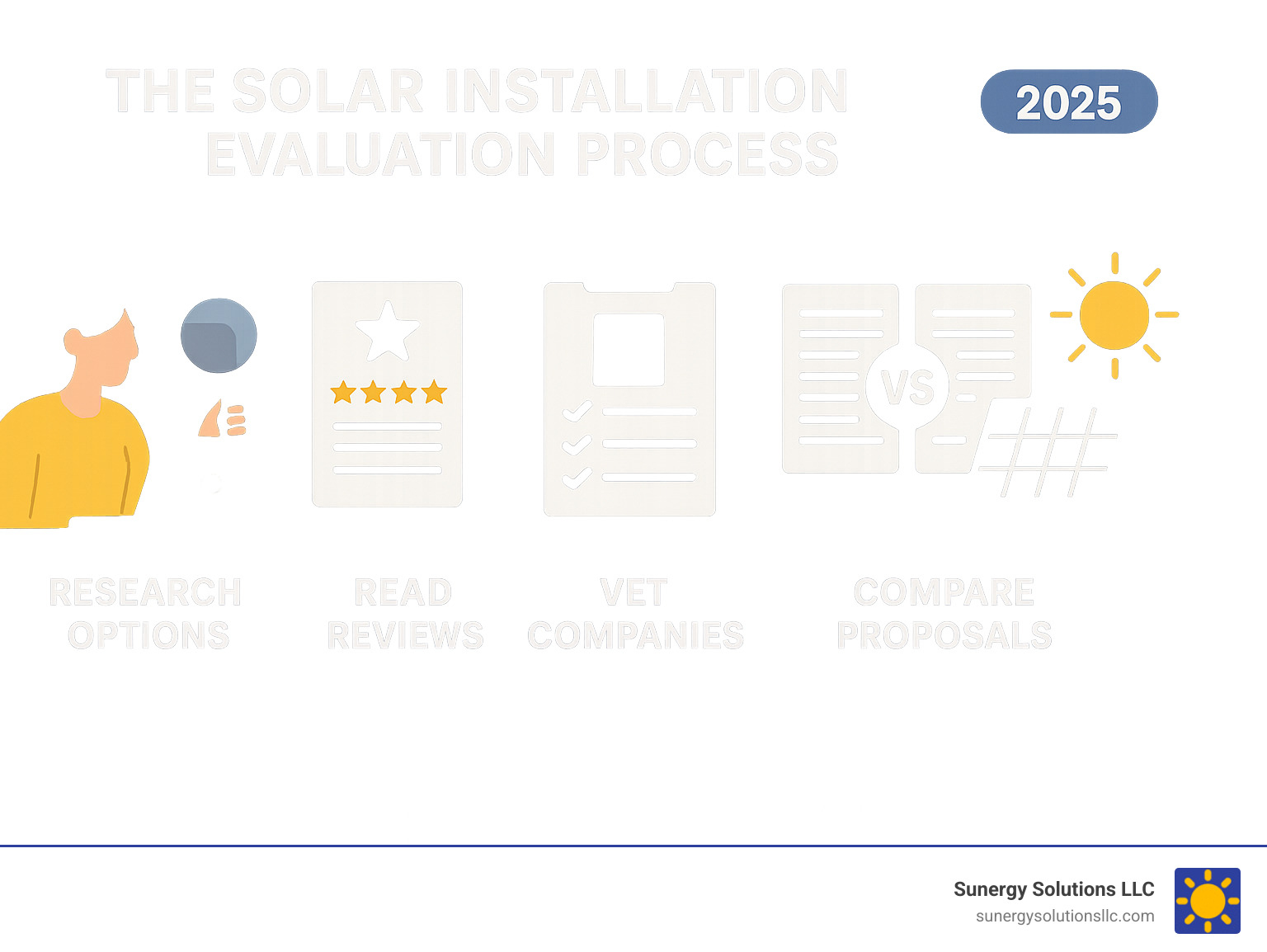
Solar panel installation reviews terms to know:
Solar panels are a worthwhile investment for most homeowners, as long-term savings and increased property value typically outweigh the initial costs. However, it’s not a universal solution; if your monthly electricity bill is under $75, the financial benefits may be less significant.
Key factors include your electricity bills, roof condition, direct sunlight exposure, and local climate. Understanding how solar panels work and their efficiency is helpful. To see your potential savings, use a solar calculator to estimate savings as a first step.
A thorough roof assessment is paramount. Here’s what we look for:
Your location and electricity consumption are huge factors in your solar investment’s value. For instance, homeowners in Massachusetts, with high electricity costs ($0.29/kWh), can save an average of $59,900 over 25 years with a 5.5-year payback period. In contrast, North Dakota, with lower rates ($0.10/kWh), might see $12,260 in savings and a 12.5-year payback.
We analyze your electricity bills and consumption habits to project savings. We also consider your state’s electricity rates, using data from sources like the U.S. Energy Information Administration data on electricity rates.
Crucially, we explain how local net metering policies work. Net metering allows you to send excess electricity back to the grid for credits, significantly boosting your long-term savings. For a detailed breakdown, read The Cost of Installing a Residential Solar System: A Comprehensive Guide.

The average residential solar system costs $19,000 to $20,650. However, with federal tax credits, state rebates, and long-term electricity savings, most homeowners save around $25,000 over 20 years. When reading solar panel installation reviews, you’ll often see homeowners mention how the financial benefits exceeded their expectations once incentives were applied.
Understanding which incentives you qualify for is key to making solar affordable. Our guide on Solar Tax Credits and Rebates: What You Need to Know breaks down how to reduce your upfront cost.
Solar incentives can be layered to maximize savings. The Federal Residential Clean Energy Credit is the largest, offering a 30% tax credit on your entire system cost, available until 2032 thanks to the Inflation Reduction Act.
Additionally, state tax credits can stack on top of the federal credit. Many states also offer sales tax exemptions on solar equipment and property tax exemptions, so your home’s increased value won’t immediately raise your property taxes.
Massachusetts offers some of the most generous incentive packages. See our detailed breakdown of MA Solar Incentives. For other states, our state-by-state incentive compilation provides comprehensive information.
Some areas also let you earn money through Solar Renewable Energy Credits (SRECs), which can be sold on marketplaces to create an additional income stream from your system.
The payback period is how long it takes for your solar system to pay for itself. We calculate this by dividing your total system cost after incentives by your annual electricity savings. Most homeowners break even in about 8.7 to 9.3 years, enjoying pure savings for the remaining 15+ years of the system’s life.
The calculation includes your annual electricity savings, the value of all incentives, and minimal system maintenance costs (around $186 per year).
A Massachusetts homeowner might see payback in just 5.5 years, while someone in a state with lower electricity rates might see 12.5 years. Generally, a payback period of 12.5 years or less makes solar a strong investment.
To learn more, our Solar Return on Investment guide shows how to calculate your potential returns.
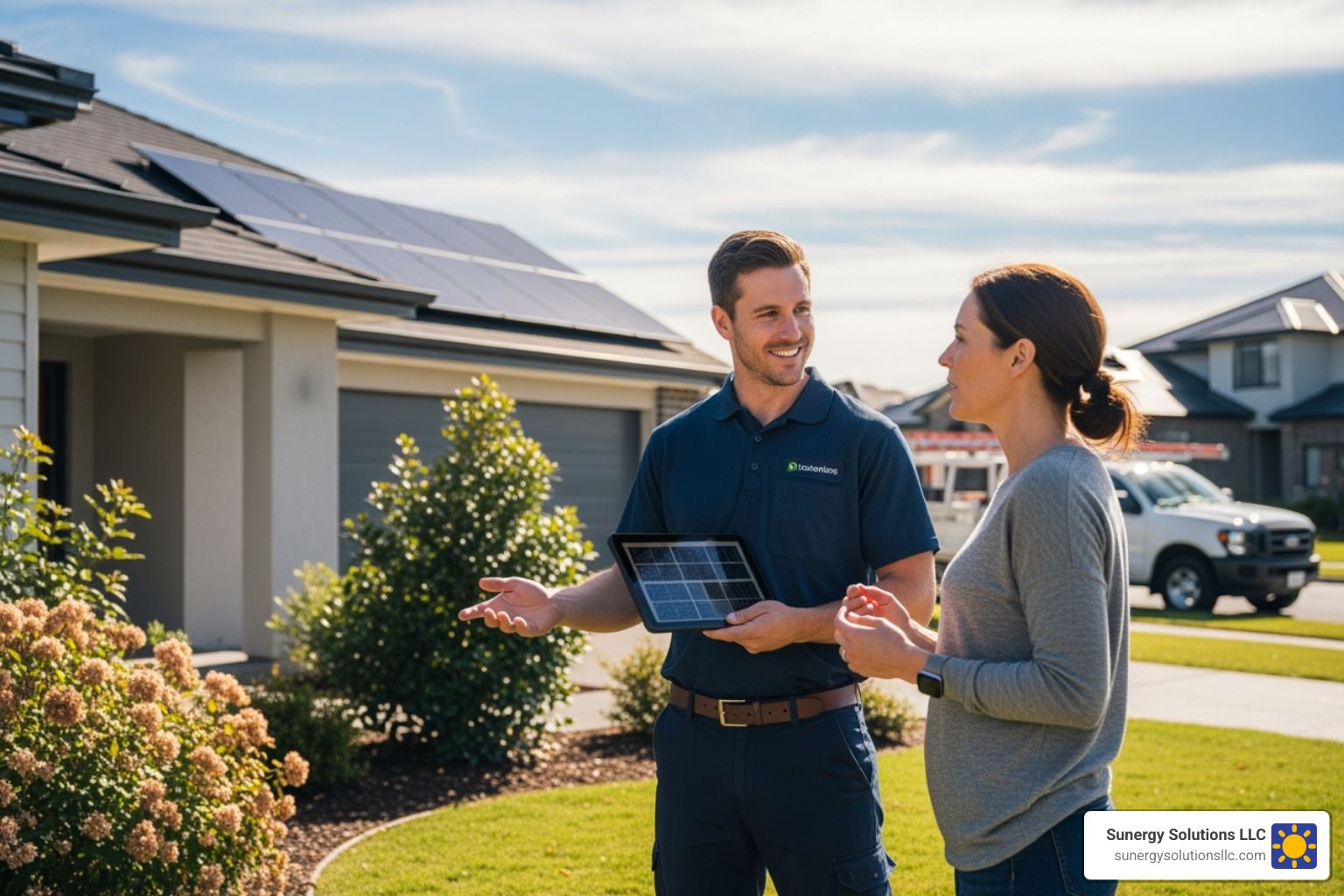
Finding the right solar installer is critical to your investment’s success. Rushing this step can lead to major issues, as one customer told me: “When half our panels stopped working… getting them to return calls was like pulling teeth.”
A thorough vetting process prevents these nightmares. Start by finding local installers who understand your area’s regulations and permitting. Then, check credentials, read reviews, and compare multiple quotes. Our guide on How to Find a Reputable Solar Company walks you through this process. Also, check company complaints with the Better Business Bureau; a pattern of unresolved complaints is a red flag.
Not all solar panel installation reviews are equal. Here’s how to analyze them effectively:
Our testimonials show examples of genuine customer experiences, detailing their journey from consultation to long-term satisfaction.
Once you have a shortlist, ask these questions to gauge professionalism and expertise:
For more on finding certified professionals, our guide covers credentials in detail.
When comparing proposals, look beyond the price tag:
Our Solar Power Packages for Homes provide examples of the clear, detailed specifications you should expect.
![TABLE] comparing the key differences between buying and financing with a loan; Ownership; Upfront cost; Tax credit eligibility; Long-term savings; – solar panel installation reviews infographic ](https://images.bannerbear.com/direct/4mGpW3zwpg0ZK0AxQw/requests/000/101/779/144/NgL30amMOYeEMp8OYprJxBoye/d7a7350d14a5f58f273e528c9a49f9bf1e3a91b7.jpg)
How will you pay for your solar system? While some companies push leasing or Power Purchase Agreements (PPAs), our experience shows that purchasing your system outright—with cash or a loan—is almost always the smarter financial move.
With leasing, you’re essentially renting the panels on your roof, and the solar company keeps the valuable tax incentives. A lease can also complicate a future home sale. When you purchase, you own the equipment, claim all the tax incentives, and maximize your long-term savings. For a deeper dive, see our guide on Bright Ideas for Residential Solar System Financing.
Both cash purchases and financing are great options, depending on your financial situation.
Be cautious with in-house financing from solar companies, as they can sometimes include hidden dealer fees or inflated interest rates. If you’re in Maine, we have specific information on Financing Options for Maine Solar Installations.
Shop for a solar loan just as you would for any major purchase to find the best deal.
Always compare loan rates and ask for the APR (Annual Percentage Rate) to understand the true cost, including all fees. Making a smart financial decision is key to enjoying the benefits of your Residential Solar System Financing for decades.
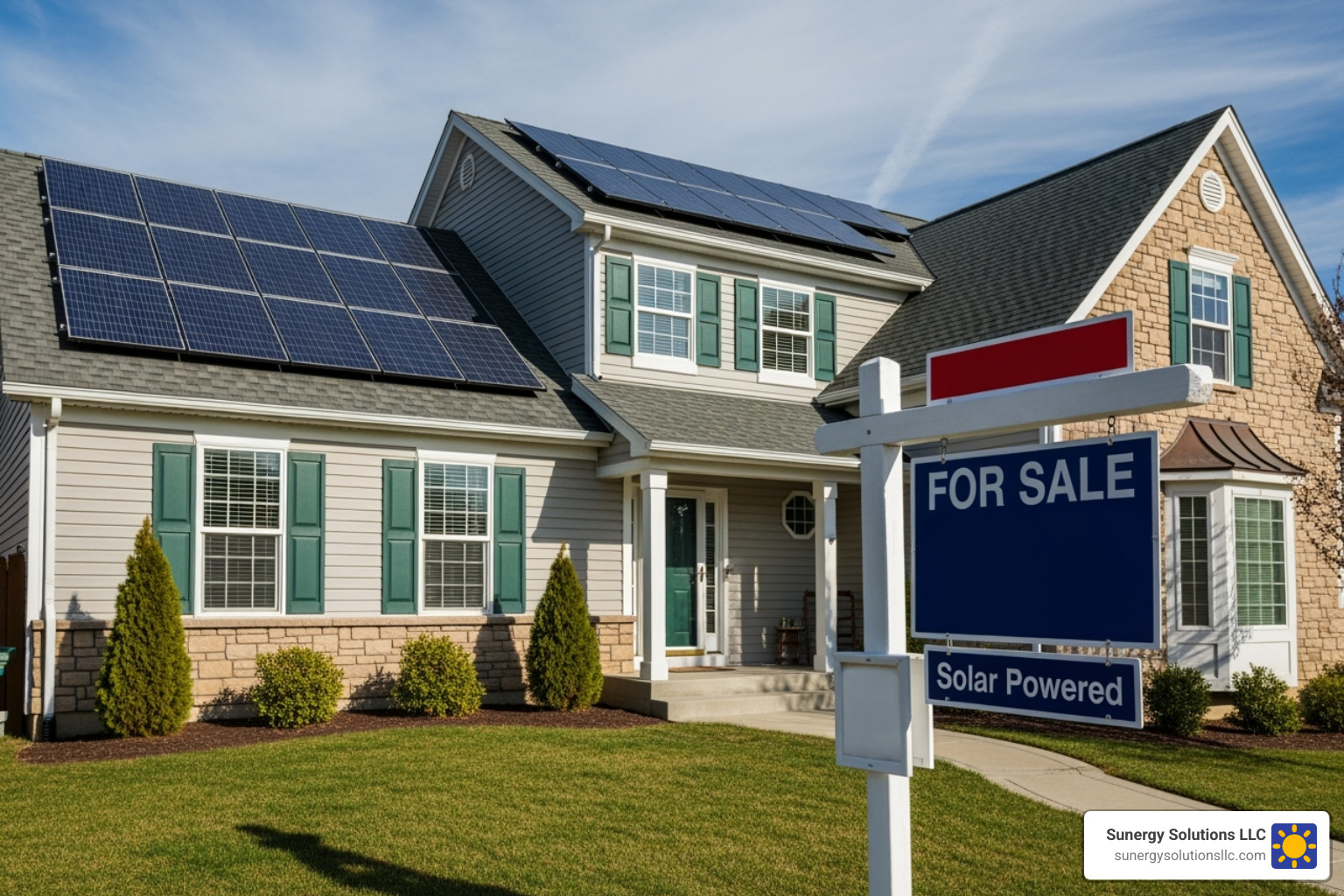
When reading solar panel installation reviews, homeowners often focus on immediate savings, but the long-term value is just as compelling. Your solar investment delivers benefits for decades, including increased property value, a reduced carbon footprint, and energy independence.
Solar panels make your property more attractive to future buyers while helping the environment. It’s a true win-win. To explore all the advantages, review the Benefits of Residential Solar Systems Installation.
Switching to solar is one of the most impactful environmental choices a homeowner can make. Here’s how your system helps:
For businesses, Commercial Solar Energy Benefits offer similar environmental advantages on a larger scale.
If you plan to sell your home, solar panels are a smart real estate investment that can boost its value and appeal.
Your Residential Solar Array is a significant home improvement that pays dividends in utility savings, environmental benefits, and resale value.
By walking through the essential steps—from assessing your home’s suitability to decoding financial incentives and learning how to read solar panel installation reviews—you now have the knowledge to make a confident decision.
The most important takeaway is to not rush the research phase. Many homeowners regret choosing an installer based on a sales pitch, only to face issues with an underperforming system or poor service. Taking the time to vet installers, evaluate solar panel installation reviews, and compare detailed proposals will ensure decades of energy savings and peace of mind.
The rewards are significant: potential savings of $25,000 or more over 20 years and a home value increase of around 6.8%. You’ll also be making a powerful choice for the environment by reducing your carbon footprint.
The cheapest installer isn’t always the best value for a system that will be on your roof for 25+ years. Look for companies with strong warranties, proven track records, and excellent post-installation support to avoid frustration down the line.
For a trusted partner in your solar journey, consider Sunergy Solutions LLC for top-tier equipment and exceptional service. We believe in empowering homeowners with transparency, quality installations, and the support you deserve.
Ready to take the next step? Get started with your residential solar system and find how the sun can power your savings for decades.
Appointments Available, 7 Days a Week


